-
“Vulgar” or a nuisance to the government? Arrests raise fears for freedom of expression

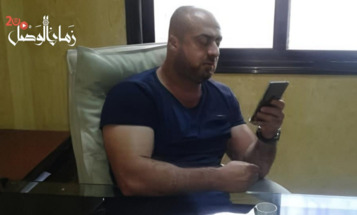
Reports that content creators known as “Abu Ghazi” and “Umm Abd al-Rahman” were detained in Aleppo have revived a question that goes beyond the details of the case: Are laws being applied to specific acts, or has calling content “vulgar” become enough to intimidate and pursue people?
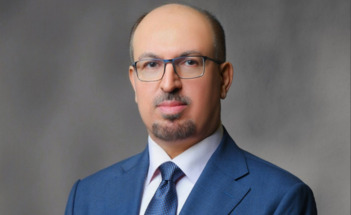
The controversy intensified alongside a campaign launched by Syrian People’s Assembly member Abdullah Ghanoum, titled “Monitoring the creators of vulgar livestreams.” However, there is no evidence that the detentions were carried out in response to his call, and no official explanation has been issued clarifying the circumstances of the case or the charges against those detained.
In a video, “Abu Abdo,” the detainee’s husband, appealed to President Ahmad al-Sharaa to release his wife and their children. Local accounts, meanwhile, said he fled during the detention operation.
The problem is that the law does not recognize a standalone crime called “vulgar content.” Syria’s Cybercrime Law No. 20 of 2022 criminalizes specific acts, including online defamation, slander and insult, as well as the publication of private material deemed contrary to decency or modesty, subject to legal conditions. But using vague labels and turning them into a pretext for prosecution opens the door to selective enforcement—an alarming prospect for anyone exercising the right to express themselves.
In June 2026, Syria’s Ministry of Justice announced a review of legal provisions that raise constitutional and human-rights concerns, while the existing laws remain in force until they are amended or repealed. But a review alone cannot dispel those concerns as long as people continue to face prosecution without a clear explanation of the charges or their legal basis.
Protecting public morals does not give any authority a blank cheque to silence people, and neither an official’s judgment nor a public campaign should take the place of the law and a fair trial. When “vulgar” becomes an elastic accusation, the risk is no longer limited to content creators; it reaches freedom of expression itself.
Is calling content “vulgar” enough to justify detaining its creator—or should the charges, evidence and legal basis be made clear first?