-
European report: Government holds nominal control but fails to protect returnees
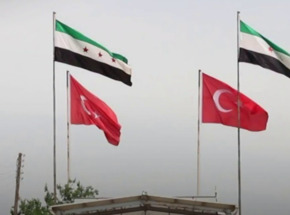
The European Union Agency for Asylum said the transitional government exercises nominal control over most of Syrian territory, while most of Suwayda Governorate remains outside Damascus’s control, along with the occupied Golan Heights and areas in Quneitra and Daraa controlled by Israel.
According to the agency’s report, issued on 7 October 2026, 125 security incidents were recorded in Daraa between the beginning of June and the end of September—the highest number among Syria’s governorates—followed by 108 incidents in Suwayda. The report also documented attacks by ISIS targeting security personnel, as well as Israeli incursions into southern Syria.
Regarding examinations in Suwayda, students and their families called for a special exam session to be held inside the city. The government had announced the session in August but designated exam centres in areas under its control in the northern countryside of the governorate, forcing students to cross armed checkpoints to reach them. The local administration led by Sheikh Hikmat al-Hijri opposed these arrangements, while the “Shahba Operations Room” announced the closure of roads. The report cited sources saying that forces allied with the “National Guard” attacked student buses on 29 August and forced them to turn back. According to a UN briefing to the Security Council, only around 150 of the nearly 14,000 eligible students took part in the session.
On violations, the agency cited the International Commission of Inquiry as saying that reports of intimidation and sectarian abuses against Alawites continued to be received. It also reported accounts from Suwayda of people being abducted for opposing Sheikh al-Hijri or being forced to leave the area. In Ras al-Ayn, the “Tāzūr” Association said it had documented assaults on returning Kurds and that 50 families left the city again following the attacks.
The report also included testimonies of intimidation against Christians, while citing the Syrian Network for Human Rights as saying it had found no evidence of an official government policy targeting them.
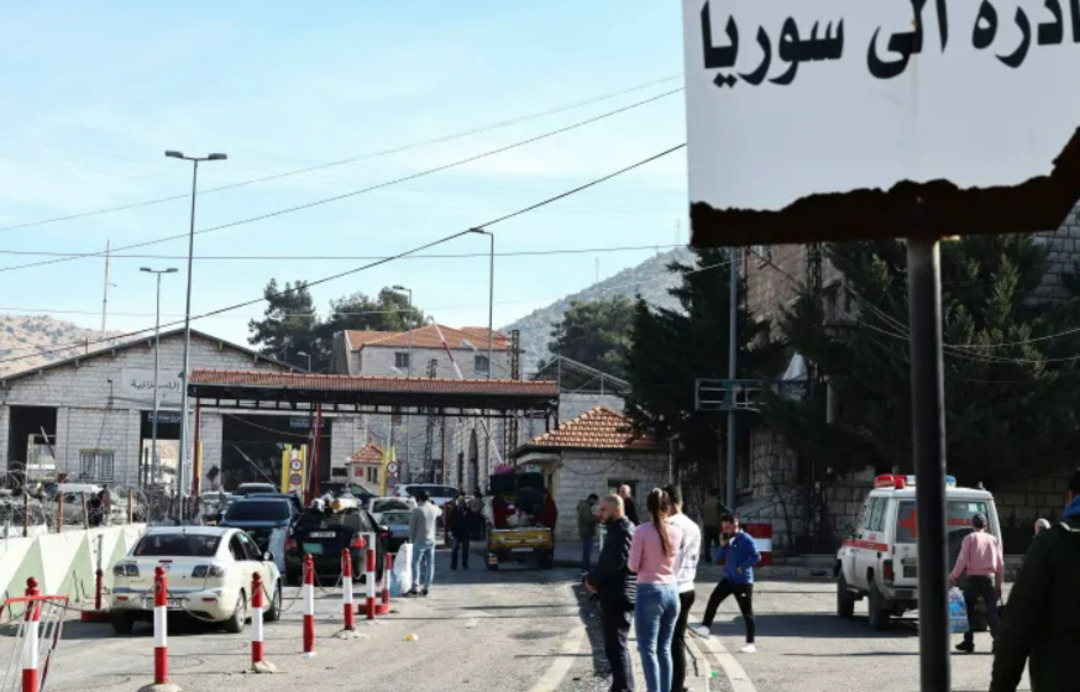
As for refugee returns, the UN High Commissioner for Refugees reported that more than 1.8 million people returned to Syria between 8 December 2024 and 17 September 2026. However, the number of returnees fell from 268,000 in the first quarter of 2026 to 131,000 in the second quarter. In a UNHCR survey, 43% of respondents identified difficulty securing housing as an obstacle to returning, while 37% cited inadequate basic services, including electricity and water.