-
A Series of Mysterious Deaths Raises Questions: The Death of Aleppo’s Chief Public Prosecutor from a “Heart Attack” Reopens the File on Silent Assassinations

In an incident that has once again fueled speculation about the nature of the sudden deaths affecting officials and security and judicial leaders in Syria, local sources announced the death of Judge Hussein al-Hassan, Chief Public Prosecutor in Aleppo Governorate, reportedly following what was described as an “acute heart attack.”
The death of Judge al-Hassan, who hailed from the Manbij area and assumed his duties in August 2025, comes at a sensitive time, raising a wave of questions about the growing phenomenon of deaths attributed to “heart attacks” among influential figures within Syria’s state institutions.
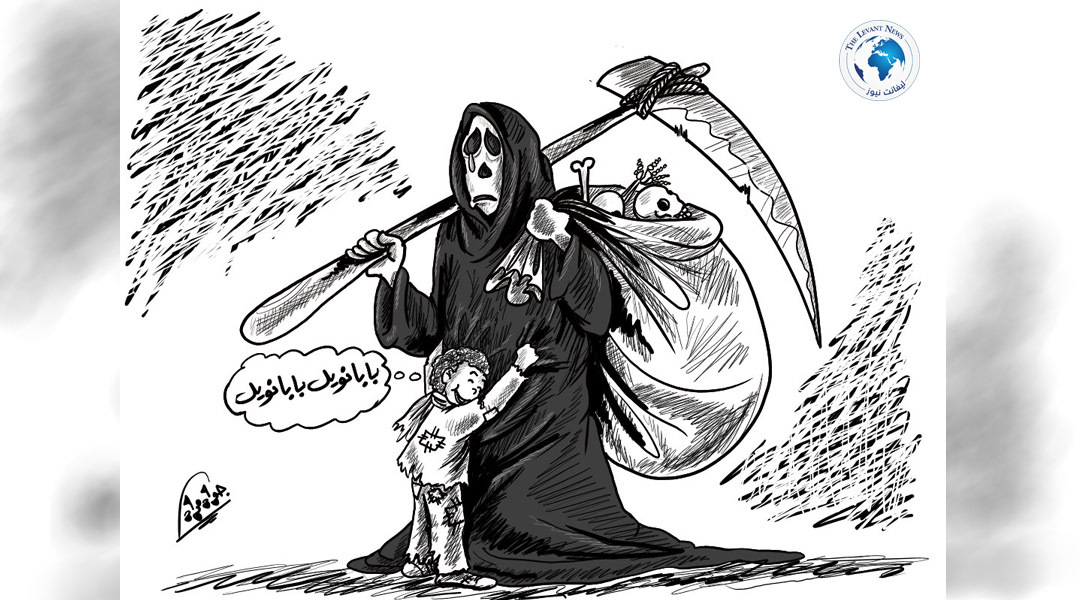
Judge al-Hassan’s death is not considered an isolated incident. Rather, it comes as part of a long series of similar deaths affecting officers in the security services, judges, and administrative officials. Although official reports typically attribute these deaths to natural health conditions or “heart attacks,” the recurrence of such cases among sensitive figures has fueled growing suspicion among the public and political circles.
Media reports and opposition platforms have circulated allegations of “silent assassinations” carried out under the guise of health crises. These analyses suggest that the deaths may be linked to internal power struggles or attempts to eliminate individuals who possess sensitive files or information that could pose a threat during a transitional period or amid the reshuffling of the country’s security and political landscape.
In this context, questions are being raised about the “transitional government,” its ability to maintain control over the situation, and whether internal parties may be involved in this type of forced change disguised as natural death. In the absence of an independent criminal investigation uncovering the truth behind these deaths, the official narrative remains dominant in the media, while public suspicions continue to grow over whether “heart attacks” have become a means of disposing of officials whose usefulness has ended or who have become a burden in the country’s complex political and security environment.
The death of Judge al-Hassan, known as “Abu al-Furqan,” remains another sign of an unstable and ambiguous security landscape, in which sudden deaths turn into mysteries without clear answers, leaving behind even more questions about the fate of officials in a politically unstable environment.