-
Who Governs Syria: al-Sharaa or the Shadow at His Side?
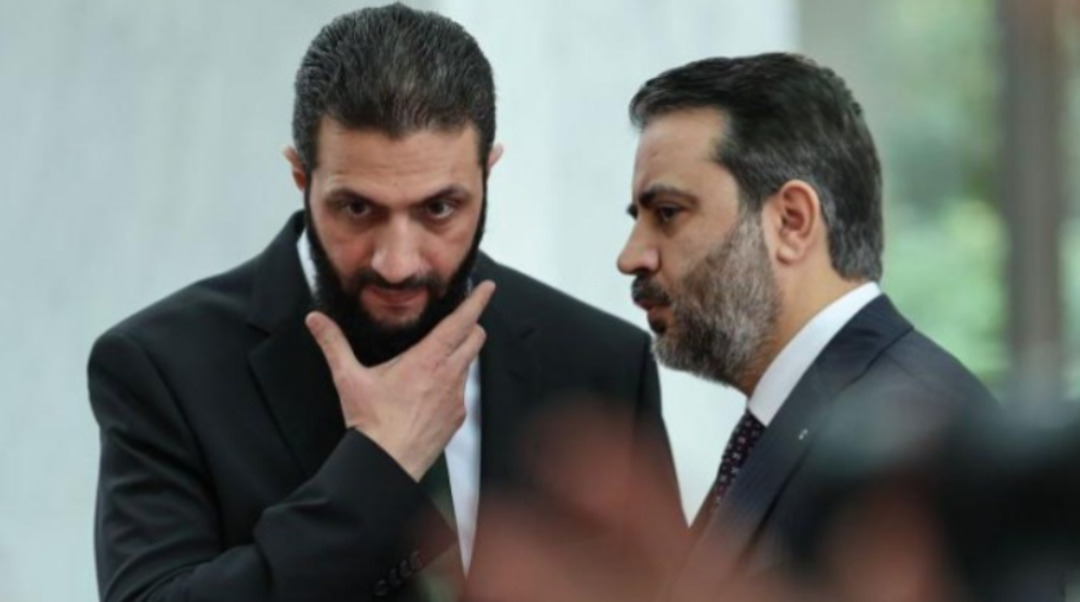
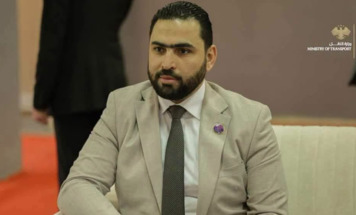
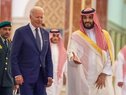
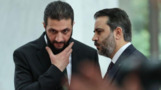
In every major political photograph of Ahmad al-Sharaa, Asaad al-Shaibani appears beside him—not behind him, as a foreign minister stands behind his president, but at his side, as though the new authority were designed with two heads: one taking center stage, the other watching him and sharing his space and decision-making.
Since the major powers moved al-Jolani and his apparatus from terrorist lists to the seat of power, where he replaced the fugitive criminal, al-Shaibani has remained in the picture. During foreign visits and meetings in New York and at the United Nations, his presence has gone beyond the bounds of his diplomatic duties, making him seem more like a presidential partner than a foreign minister.
The irony is that a personal comparison does not work in his favor. Setting aside al-Jolani–al-Sharaa’s Salafi, takfiri, and terrorist background, he appears more cultured and articulate, and more capable of speaking, maneuvering, and projecting leadership. Al-Shaibani does not match him culturally, rhetorically, or politically. Yet he is continually pushed to the forefront, positioned as an equal rather than a subordinate.
That is where the problem lies: What power does al-Shaibani possess that remains out of view of the cameras? Does his position derive from an organizational structure within the jihadist apparatus that gives him authority beyond his official post? Or is Turkey placing him beside al-Sharaa to create a balance at the summit of power—having one monitor the other and preventing either from monopolizing decision-making?
This political closeness does not seem ceremonial or accidental. Al-Shaibani does not appear as a minister carrying out his president’s policy, but as the representative of an internal or regional force that wants its seat right beside the president. The aim may not be for him to challenge al-Sharaa now, but to remain close enough to monitor and contain him—and perhaps to succeed him when his purpose has been served.
So Syria may not be facing a president and his foreign minister, but a governing façade and the shadow beside it: a façade created by international necessity, and a shadow that may have the final word when that necessity changes.
Dr. Mahmoud Abbas