-
Massacre of Joura and Qusour: One of the Most Horrific Chapters of the War in Deir ez-Zor
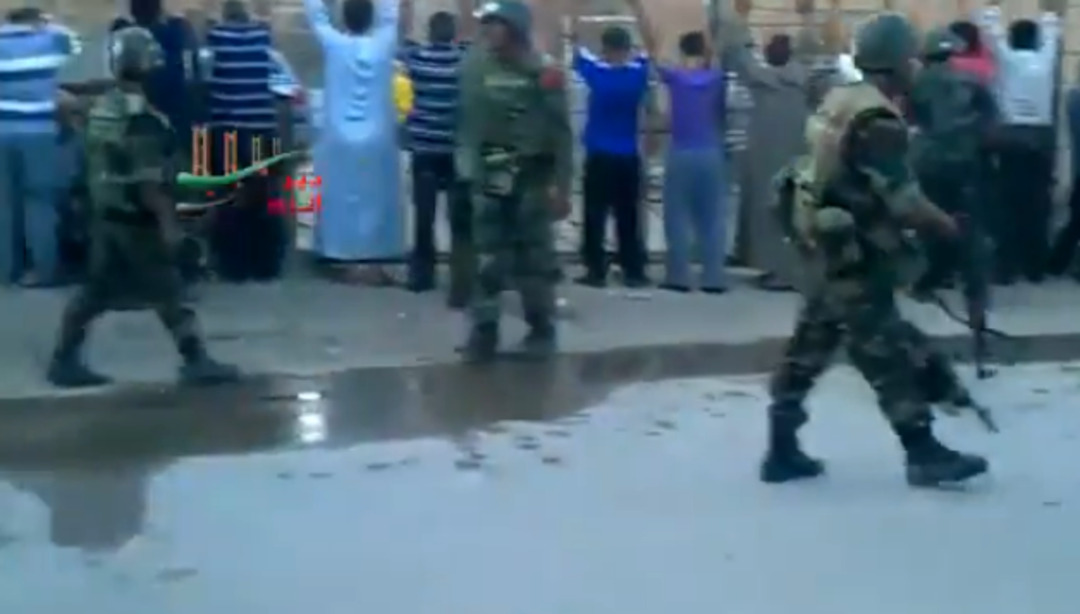
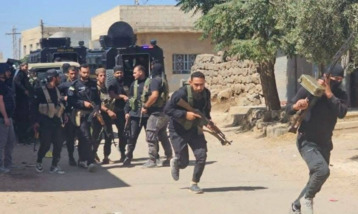
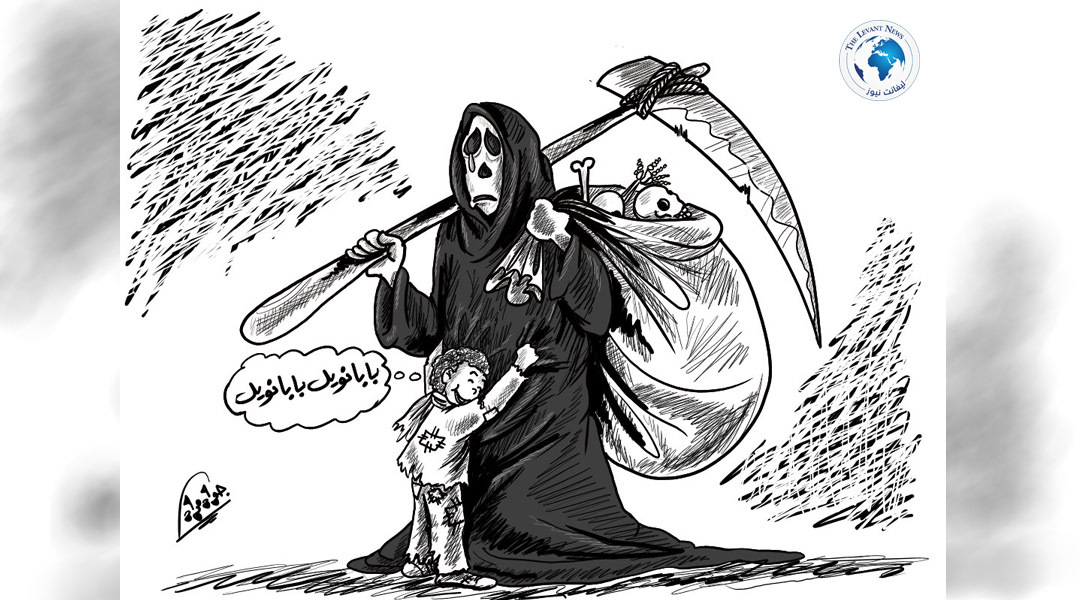
On September 25, 2012, the city of Deir ez-Zor in eastern Syria witnessed one of the most heinous massacres committed by the Syrian regime's forces in the neighborhoods of Joura and Qusour. On that terrifying day, hundreds of civilians were killed by slaughter, burning, and summary executions, in an attempt to break the will of the city, which was aflame with revolution against the regime. This brutal massacre was carried out by units of the "105th" Brigade of the Republican Guard, along with elements from the First Division and security branches, and it lasted for several days, resulting in the death of approximately 500 people, most of whom were young men under the age of forty.
The city of Deir ez-Zor and its countryside were marked by their uprising against the Syrian regime, with its squares filled with tens of thousands of peaceful protesters seeking to topple the regime. To counter this revolutionary momentum, the regime dispatched military forces that had previously participated in massacres in Homs, Ghouta, and Daraa.
The massacre was led by some of the regime's most brutal officers, such as Ali Khazem and Issam Zahreddine. It all began with artillery shelling of the two neighborhoods before the city was divided into several military sectors. After that, the forces continued their assault by carrying out horrific acts of brutality against the population.
Syrian activists referred to this incident as "Black Tuesday," and the Sharq News Center reported that dozens of bodies were discovered after the fighting had ended, with burned bodies found inside the field hospital and in surrounding areas, reflecting the magnitude of the horror experienced by the residents. Reports documented that the number of victims exceeded 500, with most being children, women, and the elderly who were executed while trying to escape.
Journalist Faras Alawi, who hails from Deir ez-Zor, discusses the motives behind the massacre, indicating that it was a response to the increasing number of protesters in the province. Peaceful protests had seen a significant rise in participation, which made the regime fearful of losing control of the city.
Later, the Free Syrian Army managed to control most areas of Deir ez-Zor, while some neighborhoods and the airport remained under regime control. In 2014, ISIS seized the areas that were previously under the control of the Free Syrian Army, but it failed to completely fight the regime. By 2017, ISIS's retreat in Deir ez-Zor led to the regime and Iranian militias controlling the southern part of the city, while the "Syrian Democratic Forces" completely controlled the northern part.
The Joura and Qusour massacre remains one of the bloodiest chapters in the history of the Syrian conflict, reflecting the extent of the suffering endured by the Syrian people in their quest for freedom and dignity.