-
Öcalan Moves from Prison Cell to New Residence on İmralı After 27 Years
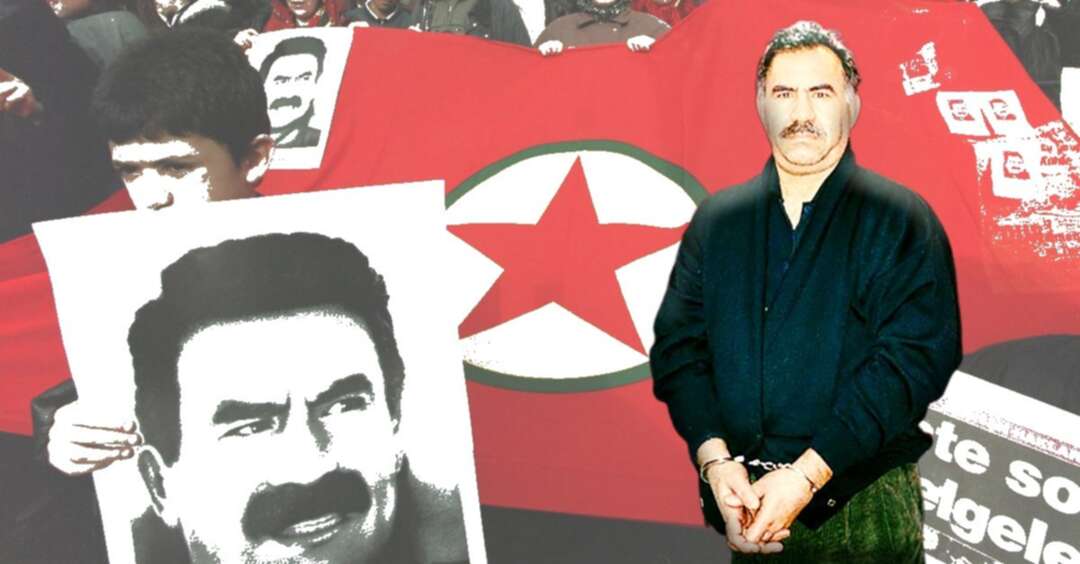
Abdullah Öcalan, the imprisoned leader of the Kurdistan Workers’ Party (PKK) in Turkey, has left his prison cell on İmralı Island and moved to a compound on the island that includes a residence and an office, after nearly 27 years in detention.
İmralı lies in the southern Sea of Marmara, about 50 kilometres from the coast of Istanbul. Öcalan’s transfer comes as the Turkish government seeks to advance its “Terror-Free Turkey” initiative, which Öcalan and the Kurdish side refer to as the “Peace and Democratic Society Process.”
The process has faced criticism over what has been described as a standstill, with no new steps taken since parliament passed the “Law on Strengthening National Solidarity and Social Integration,” known as the framework law for the process, on 10 August.
In an interview with Medya Haber, a channel close to the PKK, Sancar said Öcalan had agreed to move to the new building. It was designed to allow him to receive delegations, hold official meetings and convey political messages, as well as meet journalists when necessary.
Sancar added that the process had been stalled for more than two months and said previously announced deadlines had not been met. He called for the Disarmament and Strategic Coordination Committee to travel to İmralı and coordinate with Öcalan on the process.
Calls for Öcalan’s release have grown since he issued an appeal on 27 February 2025, urging the PKK to dissolve itself, lay down its arms and engage in political activity within a democratic and legal framework. However, according to reports, Öcalan did not seek to leave İmralı. Instead, he called for improved detention conditions and the opportunity to meet journalists, academics and representatives of civil society.
Meanwhile, Besê Hozat, co-chair of the executive council of the Kurdistan Communities Union and a PKK leader, criticised the Turkish government, saying Ankara had taken no concrete steps despite the group laying down its arms.
Hozat said the process had reached an impasse because of the state’s position, adding that it could not move forward without the implementation of democracy and the legal reforms approved by parliament.