-
“Decentralization” in Name Only? Turkish Influence Expands at the Expense of Syrian Industry
The moves to relocate Syrian government institutions from Damascus, alongside reports of a Turkish industrial zone being established along the border, do not appear to be merely separate administrative measures and investment projects. If the details are accurate, these steps could reshape Syria’s administrative, production and influence map.
A source familiar with the matter told *Al-Modon* that the government plans to move several ministries to other governorates for security and political reasons, while presenting the move to the public as part of decentralization and an effort to ease pressure on the capital.
But relocating ministries does not necessarily amount to decentralization. Decentralization involves distributing powers, resources and responsibilities—not simply moving buildings and staff. If decision-making, funding and appointments remain centralized, the move would amount to administrative redeployment rather than a change in the structure of governance.
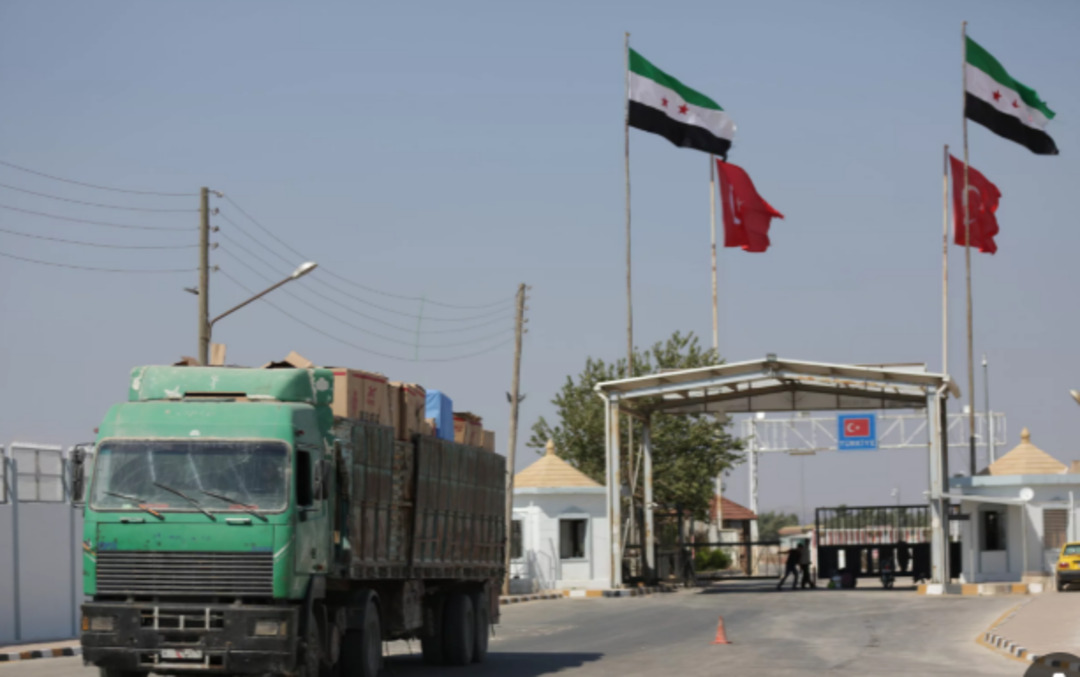
Meanwhile, another source told the newspaper that an area along the Syrian-Turkish border, extending up to 30 kilometers into Syrian territory, had been allocated to Turkey for 100 years to establish factories and provide jobs for Syrian refugees. If confirmed, this would go beyond a conventional investment project and raise questions about land ownership, management and oversight, taxation, and the powers granted to companies.
The area’s location gives the project significance beyond its industrial aspect. Its links to Turkish companies and supply infrastructure geared toward the Turkish market could deepen the economic ties of those areas to Ankara. Linking refugees’ return and employment opportunities to foreign-run facilities could also make their livelihoods dependent on a single project unless other opportunities are available across the Syrian economy.
This does not mean Turkish investment is inherently a threat; its impact depends on its nature and terms. If the project is limited to assembling products or employing Syrian workers using imported inputs, it may create a limited number of jobs without building a national industrial base. But technology transfer, the involvement of Syrian capital and the development of local suppliers could turn it into an opportunity to rebuild industry.
These concerns are compounded by warnings that Syrian factories will be unable to compete with Turkish production, amid reports of declining industrial activity in Damascus. Local industry is struggling with limited access to financing and technology, high energy and raw-material costs, and difficulty reaching markets. Turkey, meanwhile, has a broader production base and more extensive supply and export networks.
That is why it is not enough to frame the relocation of ministries as decentralization or the industrial zone as an investment and refugee-return initiative. The details and terms of both plans need to be made public, along with a clear explanation of whether they will strengthen state institutions and local production—or redistribute power and resources in ways that expand foreign influence and leave Syrian industry facing unfair competition.