-
Foreign Affairs Report: Living Crisis and Trust Gap Put Syria’s Transitional Phase at Risk
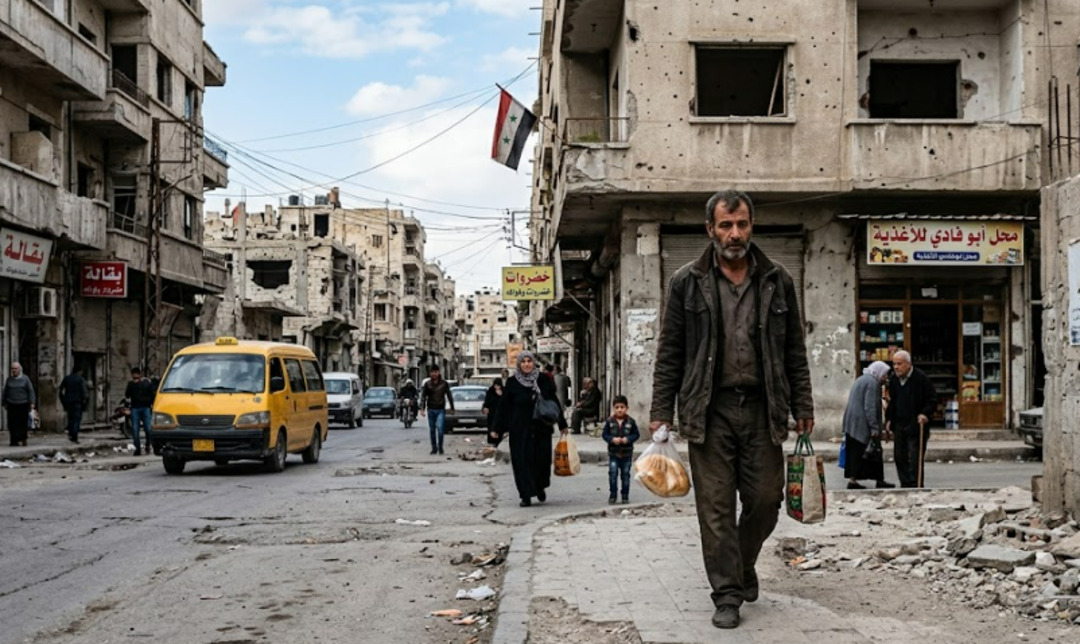
The US magazine *Foreign Affairs* warned that Syria’s worsening economic challenges pose a direct threat to the country’s transitional process. The report noted that public patience with the “al-Sharaa” government is wearing thin, stressing that improving living conditions has become essential to prevent a complete loss of citizens’ trust.
### Alarming Figures and Eroding Purchasing Power
The report highlighted a significant gap between household incomes and basic living expenses. An average Syrian family of five needs approximately $197 per month to meet its essential needs, while the minimum wage does not exceed $95.
The severity of the crisis is also reflected in poverty estimates, which vary among international institutions. The World Bank estimates that two-thirds of Syrians live below the poverty line, while estimates by the United Nations Development Programme put the figure as high as 90%.
### Subsidy Cuts and Growing Protests
The government’s economic policies have intensified social pressures, particularly following a series of subsidy reductions. The price of subsidized bread rose by approximately 1,400%, while electricity tariffs increased by as much as 800% in some cases.
A 40% increase in diesel prices in September was described as the tipping point, triggering some of the country’s largest popular protests in years. The report also noted that opening the market to cheap imports has made it increasingly difficult for Syrian producers to compete and remain operational.
### Transparency Gap and Investment Obstacles
The report drew attention to a sharp discrepancy in economic data. While the government claimed that the economy had grown by between 30% and 35%, the Syrian Center for Policy Studies offered a starkly different estimate, placing real growth in 2025 at only around 0.3%.
On the international front, the report said that Gulf states had provided limited assistance and temporary salary support, but had not committed to large-scale funding for Syria’s economic recovery. It also noted that promised investments had, in most cases, failed to turn into concrete commitments because of continuing security and political obstacles.
### Growing Public Concern
Recent figures reflect a significant deterioration in public sentiment. The proportion of people dissatisfied with the government’s performance rose from 44% in April to 52% in June, while pessimism about the country’s overall trajectory increased from 30% to 46%. These trends place Syria’s future stability before serious and potentially decisive challenges.