-
Life Sentence for Former Syrian Grand Mufti Ahmad Hassoun
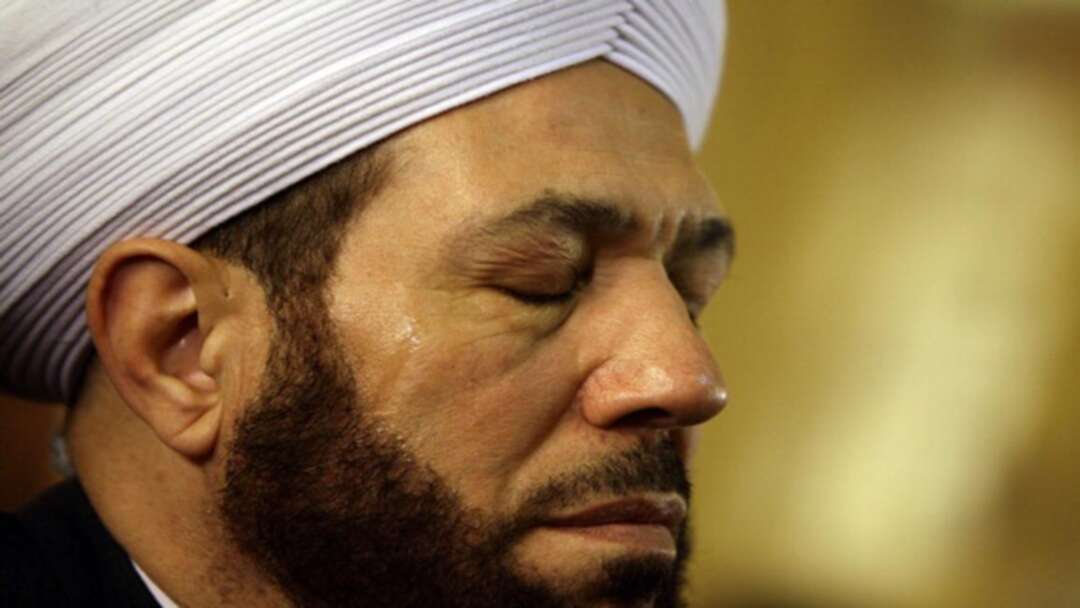
The Fourth Criminal Court in Damascus has sentenced former Syrian Grand Mufti Ahmad Badr al-Din Hassoun to life imprisonment after convicting him of assault intended to incite civil war and sectarian violence, according to the court’s presiding judge, Fakhr al-Din al-Aryan.
Al-Aryan said the court had found Hassoun guilty and sentenced him to life imprisonment after determining that the acts attributed to him during the period of unrest in Syria had been proven.
According to the reasoning read by the judge during the verdict session, the court classified the acts established against Hassoun as “crimes against humanity and war crimes.”
The court also ordered that Hassoun be denied parole and any suspension of his sentence, and barred him from benefiting from either a general or special amnesty. The decision attributed these measures to the “gravity of the crimes committed.”
### The Role of the Official Religious Establishment
During its consideration of the case, the court examined the role of Syria’s official religious establishment—particularly the Office of the Grand Mufti—during the period of unrest. It said the establishment had, based on the facts and evidence presented before the court, provided religious cover for security operations.
The judge referred to a video showing Ahmad Badr al-Din Hassoun alongside Issam Zahreddine, in which Hassoun reportedly prayed for Zahreddine’s success, protection, and victory. He also addressed statements issued by the official religious establishment that the court considered, according to the judge, to have justified the use of barrel bombs.
As part of the evidence on which the court relied, Al-Aryan said the facts had established, according to the court’s findings, that Hassoun had received sums of money and gifts in exchange for helping secure the release of detainees.
The verdict follows a trial that examined the acts attributed to Hassoun and his role, as well as the role of Syria’s official religious establishment, during the period of unrest in the country. The court focused on incidents it said were linked to efforts aimed at inciting civil war and sectarian violence.
The ruling is particularly significant, according to the court, because it classified the acts attributed to Hassoun as crimes against humanity and war crimes. It also imposed enhanced restrictions, rejecting any form of parole, suspension of the sentence, or eligibility for a general or special amnesty.