-
Without Any Effective Oversight: Chicken Prices Spiral Out of Control, Burdening Syrians
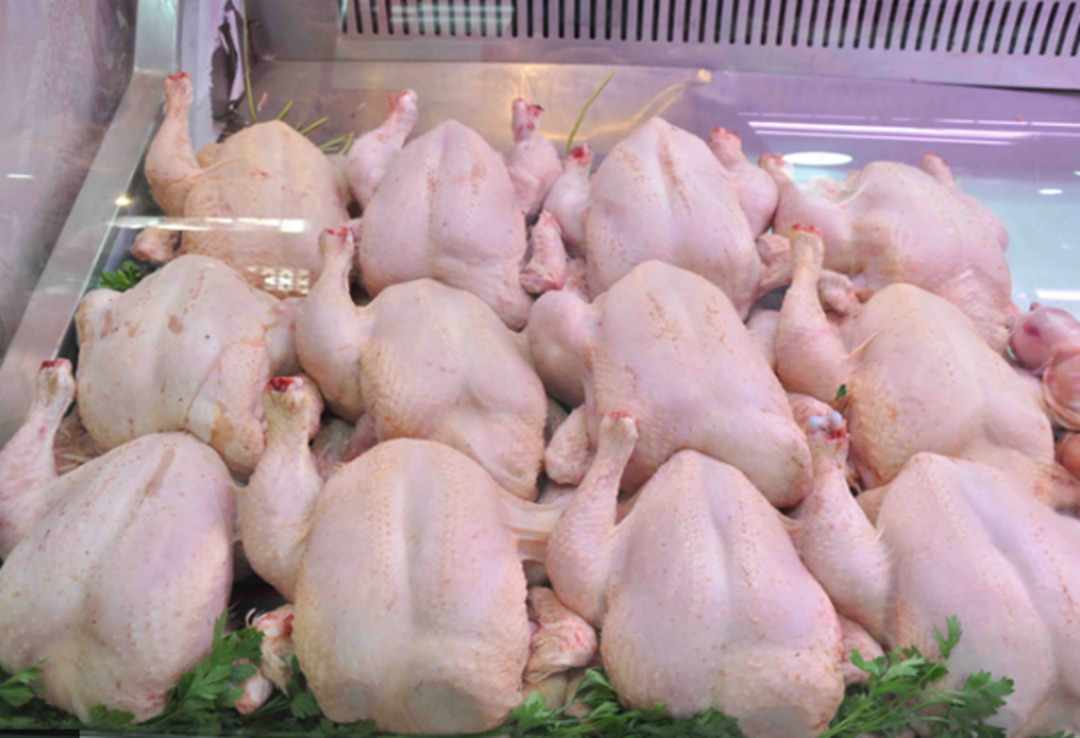
Chicken prices have risen sharply in the markets despite the government-mandated price caps, amid complaints about the absence of effective consumer-protection monitoring and the failure of some traders to comply with the announced prices.
The prices of chicken and its various cuts have increased noticeably in Syrian markets in recent days, coinciding with higher demand during the tourist season and a decline in the quantities available. This increase has once again brought the poultry sector into the spotlight, as it is one of the essential food sectors directly linked to food security and citizens’ purchasing power.
Chicken remains a primary source of animal protein for a large segment of Syrian households, particularly in light of the steep rise in red-meat prices. Despite its own price increase, many consumers continue to regard it as the least expensive alternative compared with other types of meat.
According to prices circulating in the markets, the price of one kilogram of whole chicken ranged between 250 and 350 new lira, equivalent to approximately 25,000–35,000 old Syrian lira. The price of one kilogram of chicken fillets ranged between 680 and 750 new lira, while chicken leg quarters ranged between 350 and 380 lira, and wings between 280 and 350 new lira.
Industry workers attribute the current price surge to several factors, most notably increased consumption during the tourist season—especially in restaurants and food establishments—alongside a decline in the quantities available in the markets.
Specialists noted that more than 60% of poultry farmers had not begun new production cycles around 40 days earlier, due to rising feed, energy, and transportation costs, as well as difficulties in securing production supplies. This has widened the gap between demand and the quantities available for sale.
The recent heatwaves have also affected poultry farming. Some farmers were forced to bring chickens to market before they reached their usual weights in order to limit potential losses caused by the climatic conditions. This, in turn, affected both production volumes and the timing of supplies reaching the markets.