-
Calls Grow in Australia to Ban the Muslim Brotherhood and Investigate Its Financial and Organisational Networks
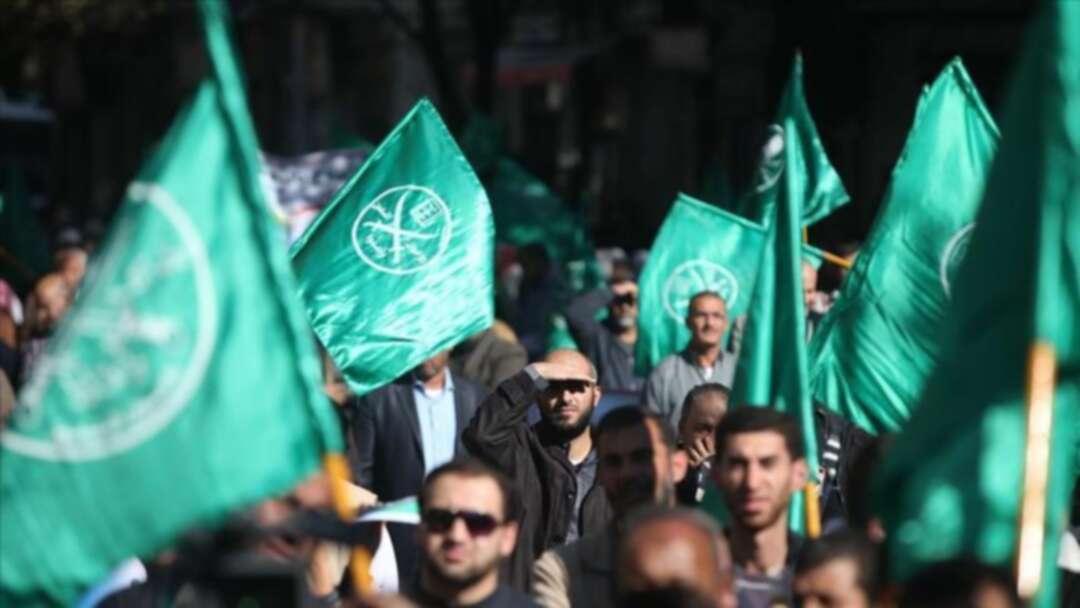
Lyle Shelton, the national director of Australia’s Family First Party and a candidate for the New South Wales Legislative Council, has called on the federal government to consider banning the Muslim Brotherhood and launching investigations into its networks and affiliated entities operating in the country.
Shelton’s call follows a similar appeal by British historian Lord Andrew Roberts during a visit to Sydney. Roberts urged authorities to review the activities of the Brotherhood and organisations allegedly linked to it, including companies, charities, non-governmental organisations and media platforms.
In a statement issued by the party, Shelton said the government of Prime Minister Anthony Albanese should task the Australian Security Intelligence Organisation (ASIO) and relevant agencies with examining the Brotherhood’s activities and networks. He also called for an assessment of whether the legal criteria required to designate the organisation as a prohibited entity had been met.
Shelton said Australia should examine the measures taken by several Western countries in reviewing the activities of the Muslim Brotherhood and organisations associated with it, particularly with regard to foreign funding and political or ideological influence.
Family First’s position came in support of Roberts’ remarks at the annual dinner of the Centre for Independent Studies in Sydney. During his speech, Roberts called for action against what he described as a broad network of institutions and entities potentially linked to the Brotherhood.
A source close to Australia’s Family First Party told *Erem News* that the party’s position goes beyond simply calling for a ban on the Muslim Brotherhood. It also includes demands for an examination of its organisational and financial links, as well as its potential influence networks within Australia.
The source said the party intends to push for a government and security review of these networks, stressing that any future measures should be based on documented investigations and evidence subject to legal scrutiny, rather than on religious affiliation or community activity.
The source added that the issue could become part of a broader debate over foreign funding, ideological influence and the role of institutions and associations suspected of being connected to Islamist networks.
Shelton has also called for tighter oversight of foreign funding and influence, as well as a review of organisations that may meet the legal criteria for designation as prohibited entities. He further urged authorities to examine the Brotherhood’s organisational structure, its suspected affiliates, and its sources of funding and influence before any legal decision is taken.
These calls reflect a shift in Australia’s debate—from political arguments over the Brotherhood’s presence and activities towards demands for a broader security and intelligence assessment. Family First has particularly focused on what it describes as the group’s extended influence through religious, community and educational institutions.
Shelton adopted similar positions last year, when he called for investigations into the activities of Islamic groups and organisations he described as potential security threats. He also urged authorities to examine their possible links to extremism.
The Australian calls come amid similar debates and initiatives in several Western countries concerning the activities of the Muslim Brotherhood and organisations suspected of being affiliated with it. According to a statement issued by Family First, Roberts said governments should address organisations believed to contribute to extremist activity or antisemitism, in addition to confronting incitement to violence and extremist propaganda.
Roberts also called for stricter oversight of foreign funding and influence, as well as a review of curricula at some Islamic schools allegedly linked to the Brotherhood.
Liam O’Connor, a researcher at the Australian National University, told *Erem News* that the growing debate over the Muslim Brotherhood in Australia reflects a broader discussion about the limits of multiculturalism and the ability of government institutions to deal with organisations that use religious and community structures to pursue political objectives.
O’Connor added that some of the warnings raised in the public debate concern what have been described as networks and front organisations linked to the Brotherhood. He stressed that authorities must first verify the nature of these links and determine whether they breach Australian laws relating to extremism, illicit funding or incitement to violence.
The researcher noted that any move towards a ban would face a complex legal test involving freedom of association, freedom of expression and religious practice. For this reason, the collection of evidence and the determination of each organisation’s individual legal responsibility would be crucial to any potential government process.
The party’s call carries additional significance because it urges the involvement of ASIO in assessing the Brotherhood’s status. ASIO is responsible for collecting and analysing information relating to threats to national security, but it does not have the authority to impose bans directly.
Accordingly, moving from security assessments and investigations to a legal decision would require a government and legislative process under Australian law. This would include identifying the legal basis for classifying any organisation or network as a threat to national security.
The central challenge in this matter is that proving the existence of controversial religious or political rhetoric alone would not be sufficient to justify a ban. Authorities would need to identify activities or links that may fall within the offences or security criteria established under Australian law.