-
Israel Explores Security Understanding with Damascus Amid Regional Tensions
Israel is considering a reassessment of its policy toward Syria, while exploring the possibility of reaching a security understanding with Damascus. This initiative comes amid efforts to ease tensions with Turkey and improve relations with U.S. Special Envoy Tom Barrack, according to *Al-Monitor*, citing an Israeli political source.
The move follows escalating tensions between Israel on one side and Syria and Turkey on the other, particularly after the Israeli airstrike on the Abu al-Duhur airbase in northern Syria on August 18. Israel reportedly justified the strike by claiming that preparations were underway to transform the base into a facility hosting Turkish forces and military systems.
According to the same source, Tel Aviv is currently working to contain tensions with Ankara and Damascus. Mossad Director Roman Gofman has reportedly been tasked with managing contacts aimed at assessing the prospects for a security arrangement with the Syrian side.
### Efforts to Repair Relations with Washington
According to the source, Israel’s initiative is also linked to efforts to repair its relationship with U.S. envoy Tom Barrack, who criticized the strike on the Abu al-Duhur airbase, noting that Washington had not been informed of the operation in advance.
The U.S. administration is pushing for the resumption of security talks between Israel and Syria, along with the establishment of a coordination mechanism involving Turkey. The aim is to reduce the risk of miscalculation and prevent a military confrontation among parties that all maintain ties with the United States.
The source believes that Israel’s policy review may partly reflect President Donald Trump’s desire to encourage Israel and Syria to reach a security agreement.
Gofman was assigned to the file following contacts with Syrian officials concerning the Turkish military presence in Syria. The Mossad chief also discussed Turkish military movements and plans to arm the Syrian army with Syrian Foreign Minister Asaad al-Shaibani, as part of broader efforts to avoid escalation and address Israel’s security concerns.
Israel considers the deployment of advanced Turkish forces or the introduction of air-defense systems and drones into Syrian territory a potential threat, arguing that such deployments could restrict the operational freedom of the Israeli Air Force. Damascus, by contrast, maintains that its military cooperation with Ankara is part of the effort to rebuild the Syrian army and is not directed against Israel.
### A Gap Between Political Contacts and Official Rhetoric
Despite reports that Israel is reviewing its policy toward Syria and exploring the possibility of reaching a security agreement, this potential shift has not yet been reflected in the public statements of Israeli officials.
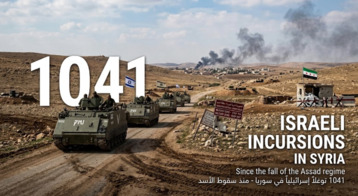
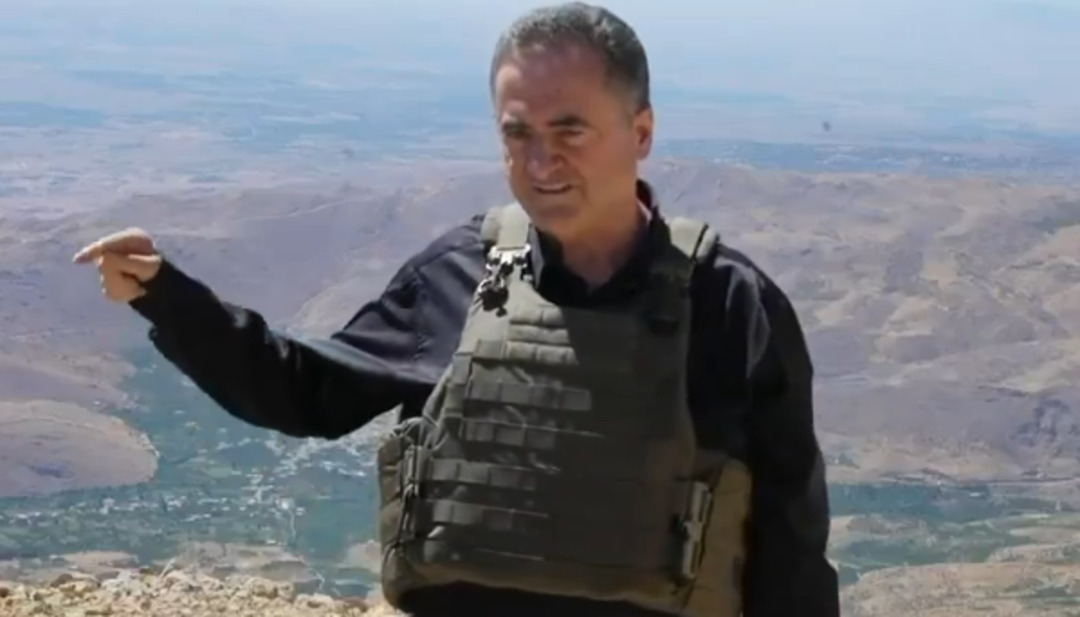
On Tuesday, Defense Minister Israel Katz stressed that the Israeli military would not withdraw from Mount Hermon or from the areas it seized inside Syria following the fall of Bashar al-Assad’s regime, as long as Israel continues to face what he described as “jihadist threats.”
During a visit to Israeli forces in southern Syria, Katz said that the military had acted to thwart what he described as a Turkish attempt to establish a foothold inside Syria, arguing that such a move would undermine Israel’s security interests. “We have made our position clear, and we will continue to uphold it in the future,” he said.
These statements point to a continuing gap between political efforts aimed at exploring the possibility of an understanding and Israel’s security-oriented rhetoric, which remains committed to maintaining its forces inside Syrian territory and opposing any Turkish presence that Tel Aviv considers a threat.
Accordingly, Israel’s exploration of a security agreement with Damascus does not mean that it has made a final decision to withdraw or fundamentally changed its policy. Rather, it reflects a possible policy review aimed at easing tensions with Syria and Turkey and improving coordination with Washington, while maintaining Israel’s security demands and guarantees for the time being.