-
Public Outrage Following the Death of Mohamed Ghamira in a Latakia Hospital
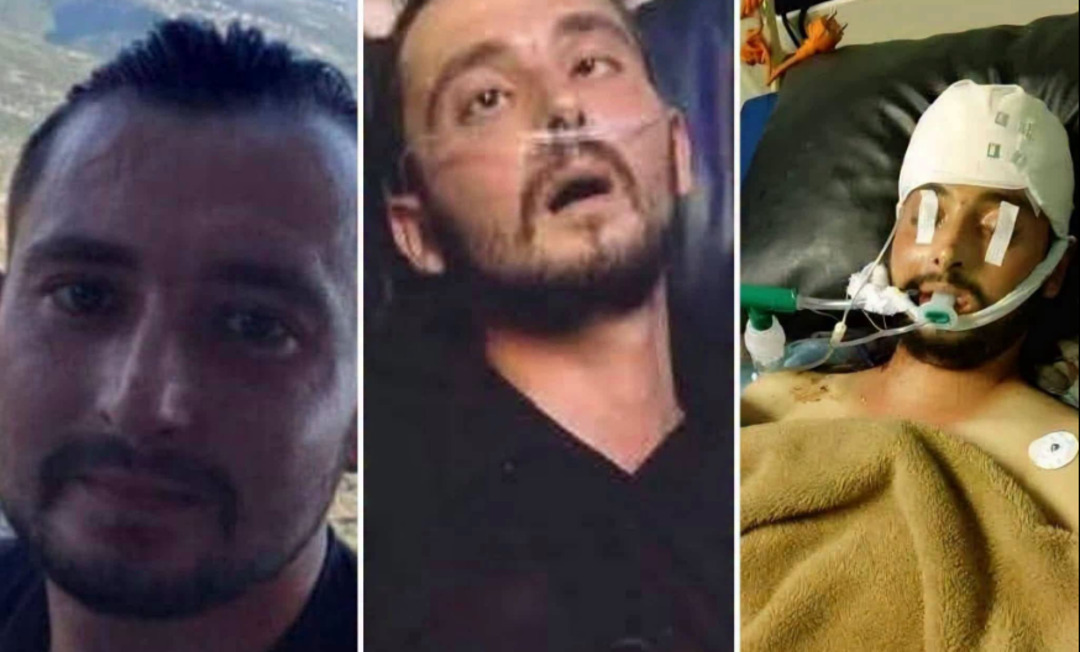
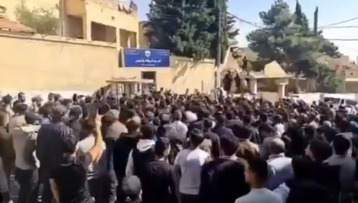
The death of Mohamed Ghamira, a young man from the city of Al-Haffah in Latakia province, has sparked widespread outrage on social media after he died in a hospital in the province following a rapid deterioration in his health. His condition reportedly worsened after he was detained in connection with a complaint involving a sum of money, amid reports that he was subjected to ill-treatment and torture during his detention.
According to local sources, Ghamira suffered from hemophilia. However, his health had reportedly been stable before his detention. He was conscious and able to speak, with no apparent signs of serious illness. The sources said that his family had informed the relevant authorities about his condition and his need for specialized medical care.
According to the information available, Ghamira’s health deteriorated several days after his detention. He was initially transferred to a hospital in Al-Haffah, where he was reportedly suffering from bleeding in his leg. As his condition worsened, he was transferred to a hospital in Latakia.
Medical examinations reportedly showed that he had suffered a cerebral hemorrhage. The information indicated that Ghamira subsequently lost the ability to speak and see and fell into a coma. His heart reportedly stopped several times, although he was resuscitated, before he eventually died in the intensive care unit.
The circumstances surrounding the deterioration of his health and his death while in detention have raised serious questions and concerns regarding the conditions of his detention, the extent to which he received the necessary medical care, and the allegations that he may have been subjected to torture or ill-treatment. These claims require an independent and transparent investigation to establish the facts and determine responsibility.
The Syrian Observatory for Human Rights called for an independent and impartial investigation into the circumstances of Mohamed Ghamira’s death, as well as disclosure of the conditions surrounding his arrest and detention. It also called for the allegations that he was subjected to torture or ill-treatment to be investigated.
The Observatory further called for the direct medical and legal causes of the deterioration of Ghamira’s health and his death to be established, and for authorities to determine whether he received the treatment and medical care he required, particularly given his hemophilia. It also urged that responsibility be determined for any party or individual found to have been involved in torture, ill-treatment, negligence, or failure to provide adequate care.
The Observatory stressed the need to make the findings of the investigation public and to hold accountable anyone found responsible. It also called for the rights of all detainees to physical and psychological safety, access to medical care, and protection from torture and ill-treatment in detention centers to be guaranteed.
According to the Observatory, Ghamira’s death brings to 15 the number of deaths it has documented in 2026 linked to detention conditions, torture, or ill-treatment in prisons and detention centers affiliated with the “transitional government.”
The cases were documented across several provinces: three in Homs, four in Aleppo, one in As-Suwayda, two in Deir ez-Zor, one in Raqqa, two in Rural Damascus, one in Daraa, and one in Latakia.
As a result, the total number of deaths under torture or as a result of detention conditions documented by the Observatory in prisons and detention centers affiliated with the “transitional government” has risen to 76 since the fall of Bashar al-Assad’s regime on December 8, 2024. This includes 61 cases in 2025 and 15 cases in 2026.
The Observatory considers these figures a troubling human rights indicator that calls for serious and independent investigations into all such cases, disclosure of the circumstances surrounding them, and accountability for those responsible in accordance with the law.