-
Israel Hayom: Kurdish Politicians Warn of Strained Understanding with Damascus and Call for Greater Israeli Support
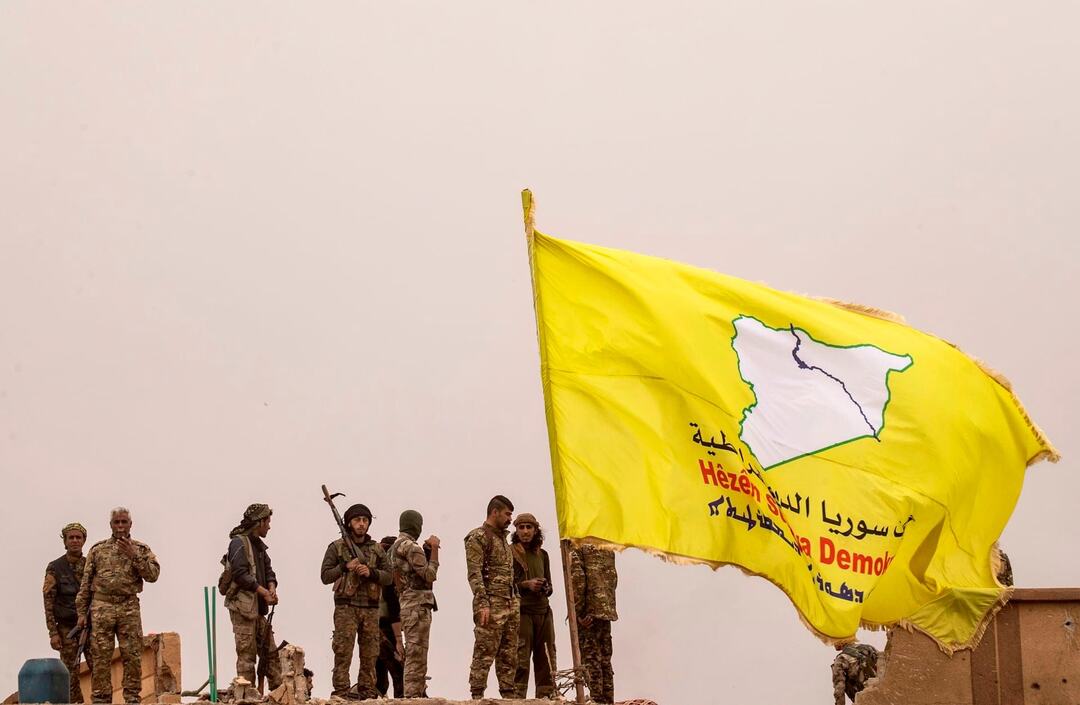
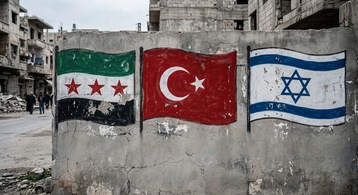
The Israeli newspaper *Israel Hayom* reported that Kurdish politicians from Syria and Iraq’s Kurdistan Region had voiced concern about the future of the understanding between the Syrian Democratic Forces (SDF) and the Syrian government led by Ahmed al-Sharaa. They said guarantees of political and cultural rights for Kurds might not be implemented, amid what they described as growing rapprochement between hardline Islamist currents and Arab nationalists in northeastern Syria, particularly in Hasakah province.
According to the newspaper, Kurdish politicians attended a meeting last week. The report said some participants had ties to leaders in Erbil and to Mazloum Abdi, the former commander of the SDF. The participants reportedly agreed to convey messages to Israel about developments in Syria and expressed concern that integrating the SDF into state institutions could end Kurdish self-administration and curtail Kurdish rights.
The newspaper quoted participants as questioning Damascus’s intentions and warning that the understanding between al-Sharaa and Abdi could collapse. The report also said Abdi agreed to the deal amid declining U.S. support for the Kurds, a decision that drew criticism in Kurdish circles.
The report included claims from Kurdish sources that anti-Israel rhetoric was spreading in Syria, including alleged incitement against Jews in some mosques and slogans attributed to Syrian fighters calling for the liberation of the Golan Heights and Jerusalem. The report did not provide independent verification of these claims.
The politicians cited in the report, meanwhile, said they saw signs of support for Israel among sections of the Kurdish public. They urged Tel Aviv to take a clearer position on what they described as violations by the Syrian government against Kurds, rather than limiting itself to moral support. They also said the two sides could share common adversaries, while noting that regional circumstances make it difficult for Kurdish leaders to state their positions on Israel publicly.
The report also quoted Kurdish journalist Suzan Kitaz as calling on Israel to openly support the establishment of a Kurdish state. Kitaz responded to criticism that such support could be used to pressure Turkey, weaken Syria and Iraq, or threaten Iran, citing what she described as historical abuses against the Kurds.