-
14 Family and Tribal Clashes in Syria Leave 20 Dead in August
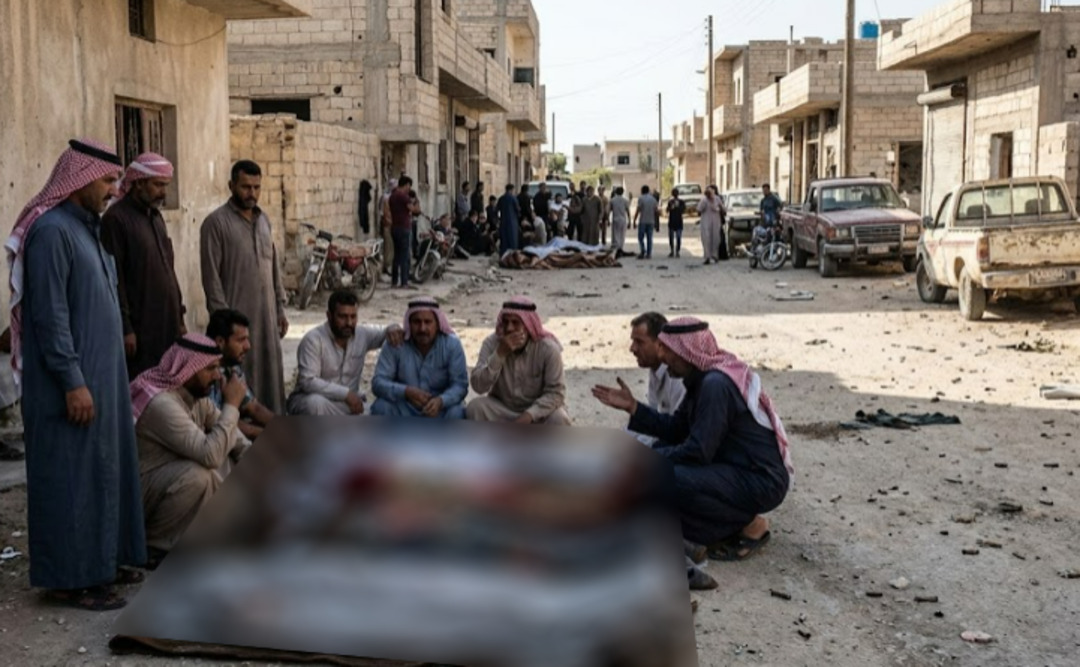
Several parts of Syria witnessed an escalation in family and tribal clashes during August 2026, leaving 20 people dead and 34 others injured, including children and women. The incidents occurred amid the continued spread of weapons and the transformation of local disputes into armed confrontations that threaten civilian safety and social stability.
The Syrian Observatory for Human Rights documented 14 family and tribal clashes across eight Syrian provinces. Most of the incidents stemmed from family, tribal or personal disputes, as well as conflicts over land ownership, before escalating into the use of firearms and, in some cases, grenades.
The incidents were recorded in the provinces of Rural Damascus, Raqqa, Deir ez-Zor, Suwayda, Aleppo, Homs, Daraa and Idlib. In several areas, tensions and mobilization continued after the clashes, amid local efforts to contain their repercussions and prevent their recurrence or expansion.
Distribution of casualties by province
Rural Damascus: Two clashes left four people dead and seven others injured.
Raqqa: One clash left three people dead, including a child, and injured three others.
Deir ez-Zor: Two clashes left two people dead.
Suwayda: One clash left one person dead and another injured.
Aleppo: Two clashes left three people dead and one person injured.
Homs: Two clashes left five people dead, including two children and a woman, and injured 15 others.
Daraa: Two clashes left a young woman dead and injured three people, including a girl and a woman.
Idlib: Two clashes left one person dead and injured four others.
Key incidents
On August 1, an armed clash broke out between members of two families in the town of Al-Mid‘ani in Rural Damascus, leaving three people dead and five others injured.
On August 2, a clash between the Al-Na‘amat and Al-Abdullah families in the village of Al-Suwayda in Rural Raqqa left three people dead, including a child, and injured three others.
On August 3, one person was killed during a tribal clash in the town of Al-Shuhail in the Deir ez-Zor countryside. On August 7, one person was killed and another injured after a dispute turned into gunfire in the Al-Jalaa neighborhood of Suwayda city.
On the same day, one person was killed and another seriously injured during a family clash in the town of Al-Tamoura in Rural Aleppo. On August 9, the death toll from a clash between members of the Al-Barikat family near Tal Al-Nasr, north of the Al-Bayada neighborhood, rose to three, including a child and a woman. At least 10 people were also injured.
On August 12, a young man was killed and two others suffered serious injuries after a dispute escalated into gunfire and the use of grenades in the town of Badda in Rural Damascus.
Three days later, two people were killed and others injured during an armed clash in the Jabal Badro area of Rural Aleppo, reportedly over a dispute concerning ownership of agricultural land. A woman was also wounded by gunfire during a clash between the Al-Hayashna and Al-Faraj tribes near the village of Shaqra in Rural Daraa.
Several incidents took place on August 17. Two people were injured after a brawl escalated into stabbing and gunfire in the town of Kafr Battikh in Rural Idlib. A young man was also killed and two others injured during a clash between cousins from the Al-Hulaybat tribe in the village of Al-Kanayes in eastern Rural Idlib.
In the city of Al-Sukhnah in eastern Rural Homs, a clash between the Al-Maharisha and Al-Masabih tribes, which erupted over a land ownership dispute, left a seven-year-old child and a young man dead and injured five others.
On August 18, a young man died from wounds sustained during a clash between cousins in the village of Al-Zar in Rural Deir ez-Zor.
The most notable incidents recorded during the month concluded on August 28, when a 19-year-old woman was killed and a girl and a man were injured during a clash in the town of Al-Sahwah in Rural Daraa. The incident reportedly erupted following a dispute that began during a wedding celebration.
Growing risks to civilians
These incidents reflect the continued exposure of civilians to the dangers of family and tribal disputes, particularly when local disagreements turn into armed confrontations. The documented cases show that the use of weapons affects not only the parties involved in the disputes, but also civilians, including children and women.
These developments come amid the widespread availability of weapons and the presence of multiple armed groups and parties, increasing the likelihood that local disputes will escalate and reducing the chances of resolving them through peaceful and legal means.
The Syrian Observatory for Human Rights stressed the importance of taking effective measures to curb the spread of weapons outside legal frameworks, strengthening the ability of security and judicial institutions to intervene at an early stage in local disputes, and ensuring that those responsible for acts of violence are held accountable in accordance with the law.
It also emphasized the need to support local mediation mechanisms and prevent family and tribal disputes from escalating into armed confrontations. Such measures would help protect civilians, reduce the recurrence of violence, and strengthen social peace and the rule of law throughout Syria.