-
A Painful Remembrance: Harim and Arbin, March 22, and the Bloody Transformations of the Syrian Revolution

March 22 marks a significant date burdened with painful memories and distressing events that shaped the course of the Syrian revolution, encompassing the beginnings of peaceful protests and the bloody massacres that claimed the lives of hundreds of Syrian civilians.
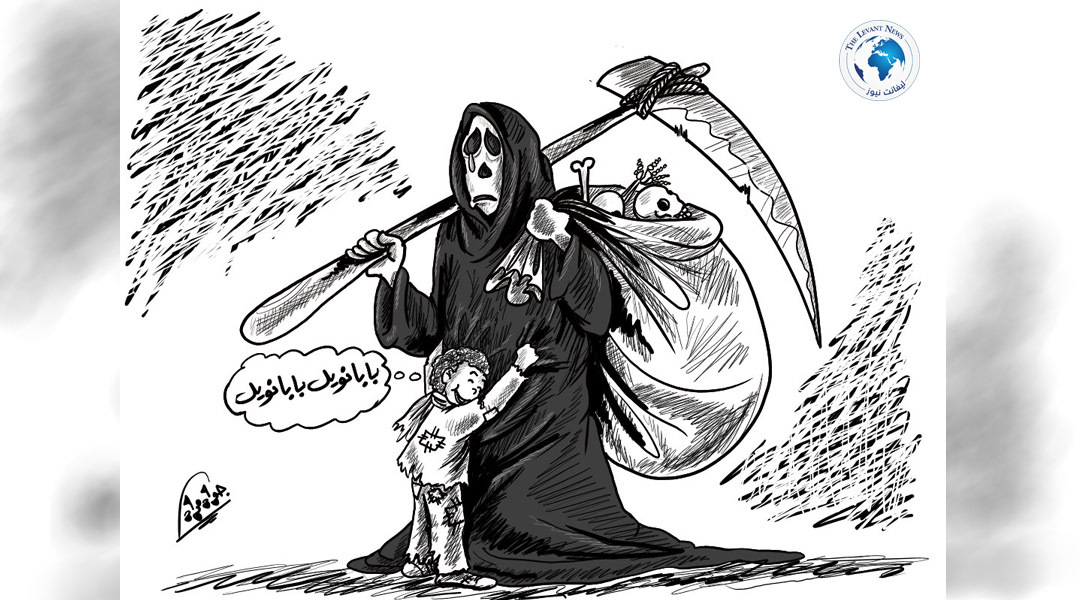
March 22, 2018, was yet another embodiment of the tragedy of the Syrian people, as Assad’s forces committed horrific massacres against civilians. In the city of Harim, located in Idlib province, an airstrike resulted in the deaths of more than 50 people, including 18 children, and injured 70 others after targeting the city’s popular market, revealing the brutality and savagery of the ruling regime.
Similarly, the airstrikes in Arbin, in eastern Ghouta, were no less tragic, with another raid claiming the lives of 48 civilians, including 20 children and 16 women. This bloody escalation was part of the violent military campaign launched by regime forces and their allies against the region.
On this day in 2011, the popular movement in Daraa recorded one of its pivotal moments when demonstrators formed a "human wall" around the Omari Mosque to protect it from security forces' incursions. This mosque, which was the starting point for the protests, turned into a field hospital for treating the wounded who were shot by security forces, while the sit-in protesters continued to raise their demands to lift the state of emergency, release detainees, and dismiss the governor.
Between March 22, 2011, and March 22, 2018, the Syrian people endured years filled with pain and loss. Despite the ongoing violence, history remains a witness to an unwavering resilience and a commitment to the sacrifices of generations who paid a heavy price for freedom and dignity.
The Syrian Observatory for Human Rights has documented these massacres, emphasizing the necessity of holding the perpetrators accountable in international and local courts. These crimes are not mere events that can be erased with the passage of time; they are war crimes that demand justice. The continued disregard for these violations only deepens the wounds and establishes new cycles of violence and vengeance, necessitating that international bodies take serious steps to ensure that perpetrators do not escape punishment.
---
If you need any more assistance or have further questions, feel free to ask!