-
Concerns Over Threats to the Heritage Character of Historic Buildings in Homs
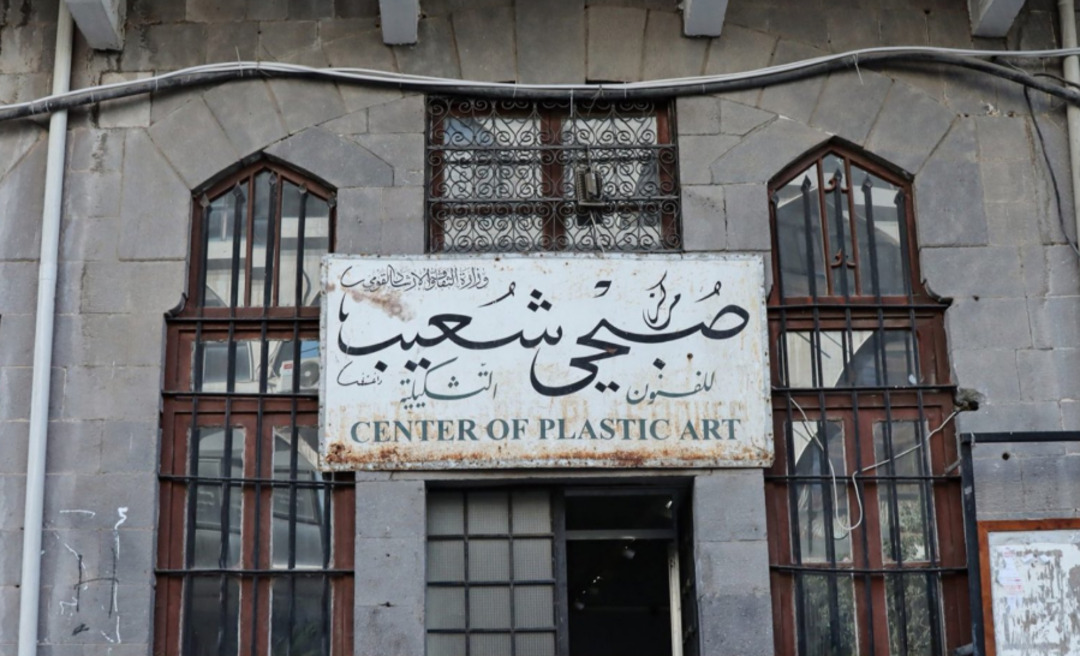
A document issued by Syria’s Ministry of Culture in late 2025 concerning the restoration of the Sobhi Shuaib Fine Arts Center and granting the “Homs Wednesday Team” permission to use it has raised questions about how heritage-related projects are awarded and who oversees them. Signed by Culture Minister Mohammed Yassin Saleh, the document states that the team will carry out the restoration and use of the center under the supervision of Nour al-Atassi.
According to informed sources, the team is run by brothers Mohammed Nour and Jamal al-Atassi, who are friends of the minister. The sources say Mohammed Nour owns al-Tair Trading Company in partnership with Imad Yahya, son of Mustafa Yahya, a supporter of the former regime. They also say the company is involved in investing in a number of palaces and heritage sites in Homs, including the Abdul Hamid al-Zahrawi Palace and the Mufid al-Amin House.
Some of the questions focus on whether the team and the company have the technical expertise needed to restore and manage historic buildings. The Homs Wednesday Team was established in 2025, while al-Tair Company was founded in 2026, according to information in circulation. Reports also point to plans to convert heritage sites into restaurants and hotels, with modifications to accommodate kitchens and modern facilities—prompting concerns about the impact on the buildings’ historic character.
Criticism intensified after Zaman al-Wasl published a video showing work at al-Zahrawi Palace. According to critics, the footage raised fears that historic features, including floors and walls, could be damaged. It prompted calls for clarification about the nature of the work, the technical bodies overseeing it, and the extent of coordination with heritage protection authorities, including UNESCO.
Al-Zahrawi Palace, located in the Bab Tadmur neighborhood, is considered a historic building dating back to around the 13th century. Named after the national activist Abdul Hamid al-Zahrawi, it is known for its inner courtyard and stone ornamentation. It was rehabilitated as a cultural landmark and a museum of folk traditions in Homs.
The Mufid al-Amin House, also known as “Bayt al-Malak” and located in the al-Warsha neighborhood, was officially designated an archaeological landmark in 1967. It represents traditional Homs residential architecture, with its cellars, *liwan* and decorative features. It was later used to host cultural and heritage activities and events.
The Sobhi Shuaib Fine Arts Center building dates to the mid-20th century, around 80 years ago. It features an old French architectural style found in several historic buildings across Homs.
The case highlights the importance of making restoration and investment agreements transparent and specifying the technical standards and oversight responsibilities, to protect the sites’ historical value and prevent damaging alterations.