-
Disappearances and Property Seizures in Idlib Raise Concerns Over Extrajudicial Practices
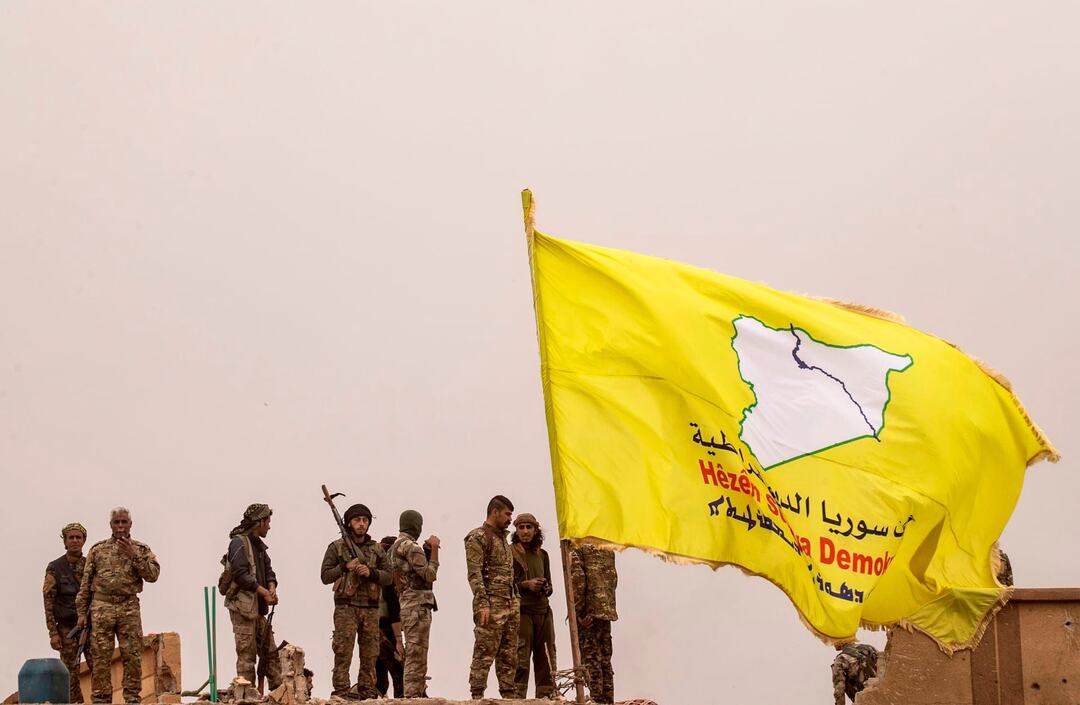
Concerns are growing over the fate of several people who have gone missing in various parts of Idlib province, amid calls to reveal their whereabouts and legal status. The concerns come as reports emerge of arrests and property seizures based on allegations of previous or alleged links to the Syrian Democratic Forces (SDF).
Among the cases raising concern is that of Yahya Khaled al-Khatib, a native of al-Rami village, born in 1984. His whereabouts have been unknown for approximately 20 days after he was detained by a security agency while heading to his land. His family has so far been unable to determine where he is being held or what has happened to him.
According to information obtained by the Syrian Observatory for Human Rights, al-Khatib was carrying documents proving his ownership of the land before his detention. He was reportedly informed that the land had been confiscated because of allegations concerning his previous links to the SDF. Since then, information about his legal status and whereabouts has remained unavailable, amid unconfirmed reports that he may be held in Salkin, at a location locally known as the “Terrorism Prison.”
The concerns are not limited to cases of detention. According to other information and testimonies received by the Observatory, homes and properties have also allegedly been seized under the same pretext. Some property owners reportedly face demands to pay money under rental agreements when attempting to return to their homes—effectively being asked to pay rent for property they themselves own.
These developments come as calls intensify for information about the fate of Mohammad Fadel Hasram, Ahmed al-Tahsh, and others whose whereabouts have become unknown or who have disappeared. There are also demands to determine where they are being held and the reasons for their detention, if they are in custody, as well as to clarify their legal status and enable them to contact their families, seek legal counsel, and defend themselves before the courts.
The Syrian Observatory stressed that allegations of links to the SDF should not become a presumption of guilt or a justification for arrest, enforced disappearance, or property confiscation without clear judicial procedures. It emphasized that any responsibility must be established before an independent court on the basis of evidence open to examination, while guaranteeing the accused their right to a defense and rejecting broad accusations and collective measures.
The Observatory noted that, if confirmed, the continuation of such practices would not only violate individuals’ rights and property, but would also raise questions about the course of recent understandings and agreements between the interim government and the Syrian Democratic Forces. Continued arrests based on affiliation or alleged past links, along with measures targeting property, could undermine the trust required to implement those understandings and deepen divisions among Syria’s communities and regions.
The Syrian Observatory for Human Rights called on the Ministry of Interior and the security and judicial authorities to urgently disclose the fate of Yahya al-Khatib, Mohammad Fadel Hasram, Ahmed al-Tahsh, and all others whose whereabouts have become unknown. It also called for clarification of the reasons for their detention, their locations, and their legal status; allowing them to communicate with their families and lawyers; and halting any property-related measures that are not based on clear judicial rulings.
The Observatory stressed that an accusation does not constitute a conviction, suspicion does not justify enforced disappearance, and ownership cannot be revoked by a security decision. It said that protecting rights and freedoms is an essential condition for the success of any political or security agreement, particularly in a country seeking to overcome a long legacy of arbitrary detention, enforced disappearance, and property confiscation.
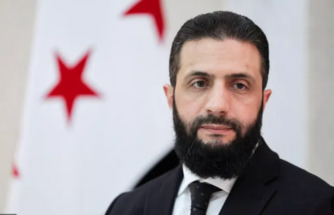
The Observatory also addressed a message to Interim President Ahmad al-Sharaa and the Minister of Interior, calling for clarification of the nature of the powers granted to police departments and whether they operate in accordance with decisions issued by the Ministry of Interior, the judicial authorities, and the Syrian presidency—or outside the framework of state institutions. This has raised questions about the possibility of practices taking place independently of state institutions.