-
Aleppo Belongs to the Turks: Syrian People’s Assembly Member Sparks Controversy with Turkish-Language Statement About Aleppo
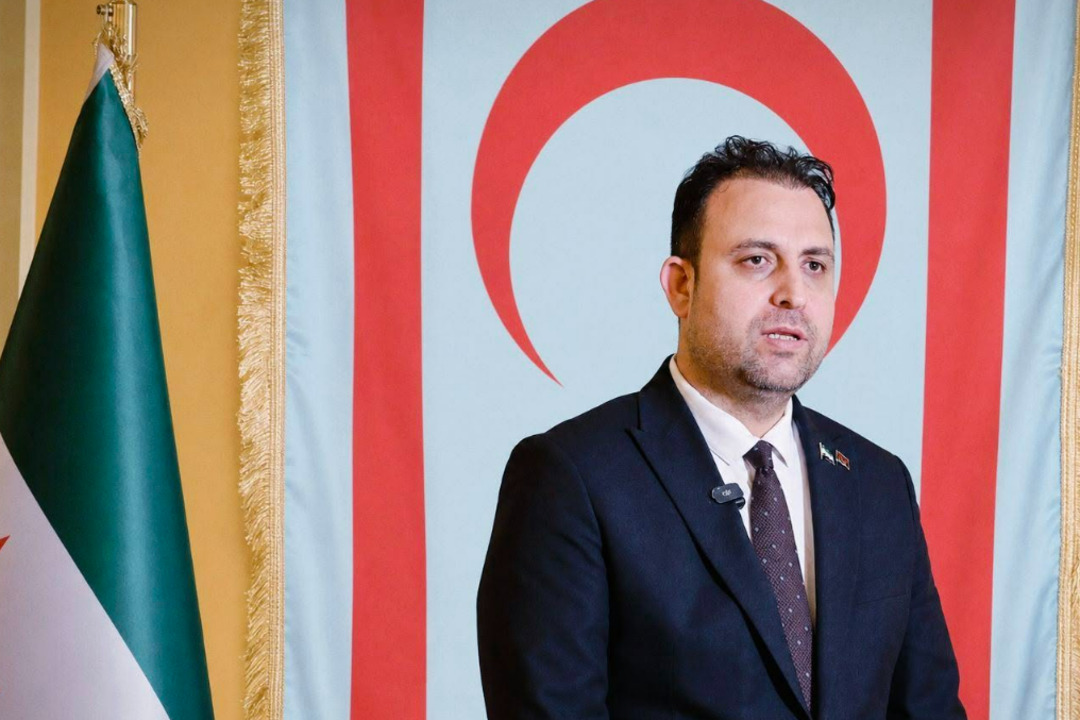
A Turkish-language post attributed to Tarek Salo Jawazji, a member of the so-called Syrian People’s Assembly and its head of the Culture and Heritage Committee, has sparked widespread controversy on social media after he commented on the origins and founding history of the city of Aleppo.
In a post on X, Jawazji reportedly stated that “the ownership of Aleppo originally belongs to the Turks,” adding that “it was the Turks who laid Aleppo’s stones and founded the city.”
The remarks, if authentic, have triggered anger and criticism. Activists and commentators viewed them as an affront to the city’s history and Syrian identity, as well as an attempt to erase its complex cultural and historical character, which was shaped by successive civilizations and peoples rather than being reduced to a single ethnic affiliation.
Critics also linked the remarks to recurring controversy over the backgrounds and nationalities of some assembly members, circulating claims that a number of them hold Turkish citizenship, without providing official explanations or documents to substantiate those allegations.
Activists called on the People’s Assembly and relevant authorities to issue an official clarification regarding the content of the post and whether it is consistent with the national and cultural responsibilities of an official who heads a committee specializing in culture and heritage. They stressed that issues related to the history and identity of Syrian cities should be addressed on the basis of documented, scholarly evidence, away from provocative nationalist or political rhetoric.
No official response has so far been issued to clarify the circumstances surrounding the remarks attributed to Jawazji or the assembly’s position on them.