-
Displacement of Residents from 14 Villages in Northern Hama Countryside Continues Amid Fears of Demographic Change
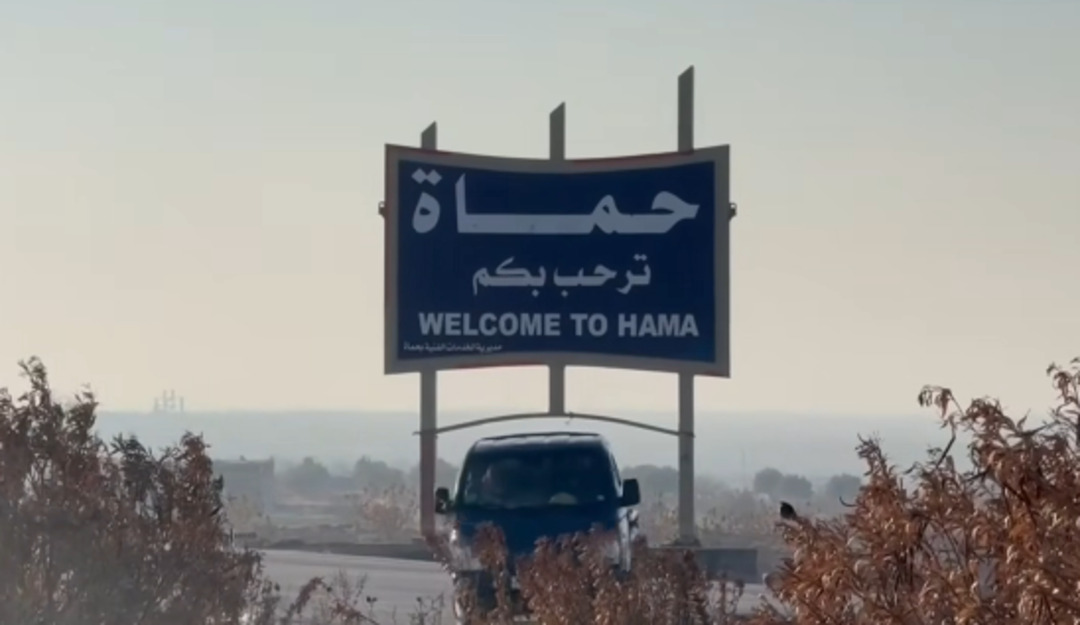
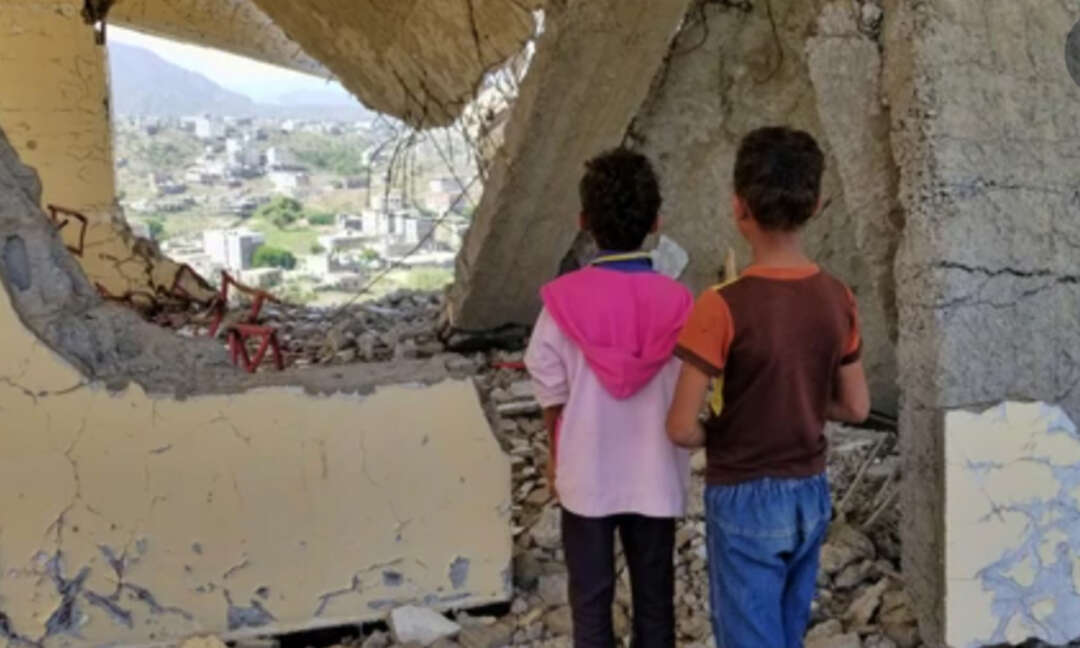
Residents of 14 villages in the northern Hama countryside remain displaced from their homes and lands, despite the passage of nearly 20 months since the fall of the regime. This is occurring amid the absence of serious measures to ensure their return and the restoration of their property rights. At the same time, lands belonging to the displaced residents have reportedly been offered for investment, raising fears that a new demographic reality could become entrenched in the area.
According to local sources, documents, and information documented by the Syrian Observatory for Human Rights, most residents of these villages left their homes following the fall of the regime due to the deteriorating security situation and the fear that accompanied that period. Most of them moved to areas along the Syrian coast.
The majority of the residents of the affected villages belong to the Alawite community. The villages include Maan, Talisiyeh, Maryoud, Al-Mabtan, Al-Zaghbal, Al-Fan Al-Qibli, Al-Fan Al-Wastani, Al-Shaati, Tuba, Abu Mansaf, Al-Khرسan, Kafr al-Tun, Arzeh, and Sheikh Ali Kassoun. These villages are known for agricultural activity, particularly the cultivation of pistachios and olives, with farmland serving as the primary source of income for most families.
According to information gathered by the Observatory, a limited number of residents remained in some villages during the initial stages. Several of them were later reportedly killed, according to multiple local sources. Most residents were subsequently forced to leave the area and head toward the Syrian coast, while they remain deprived of the right to return to their homes and lands.
Local sources said that people who settled in some of the villages informed the displaced residents that the areas were no longer available to them and warned them against considering a return. These reports have raised fears that the displacement, which began after the fall of the regime, could become permanent and lead to changes in the demographic composition of the area.
These concerns intensified after lands in the aforementioned villages were reportedly offered for investment through the “Iktifa” company. Under the proposed arrangement, the investor would receive a share of the returns, while another share would go to the state, without obtaining the consent or presence of the displaced landowners. The owners assert that they possess documents proving their ownership of the lands for decades, with ownership passed down through their families from parents to children.
The information also indicates that intermediaries had previously offered a number of landowners investment projects under contracts the residents described as unfair. Although the offers were rejected, the lands were later put up for investment, causing widespread anger among the owners, who insist that they neither relinquished their property nor consented to its investment.
In an effort to protect their rights and present their demands, the residents of the villages authorized a representative to act on their behalf and pursue their claims. They also attempted to return to their homes and lands, but these efforts did not result in permission for them to return, amid the continued displacement and the absence of a clear mechanism to address the issue.
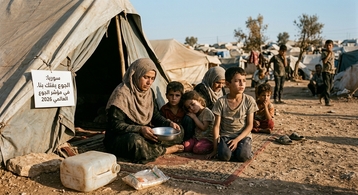
Most of the displaced people currently live in difficult humanitarian and economic conditions in areas along the Syrian coast, after losing their primary source of income. Older people make up a significant proportion of the displaced population, and many require care and support. This is taking place as they continue to be denied access to the areas they left after the fall of the regime.
The Syrian Observatory for Human Rights warned that the continued displacement of residents, their prevention from returning to their villages and lands, and the inclusion of their property in investment projects without their consent could entrench a new reality. It also warned that these developments could deepen fears of broader demographic change in the northern Hama countryside.
The Observatory called on the current authorities to restore the rights of the landowners, ensure their safe return to their homes, villages, and lands, and halt any use or investment of their property without their consent. It also called for an investigation into the violations committed against the residents and their property, as well as accountability for those responsible.
The Observatory further urged local and international human rights organizations to monitor the conditions of those displaced from these villages, work to guarantee their right to return, protect their property rights, and prevent displacement from becoming a permanent reality or a means of consolidating demographic change in the area.