-
Druze Families in Suwayda Reject Linking Jabal al-Arab to Israel and Reaffirm Arab Identity
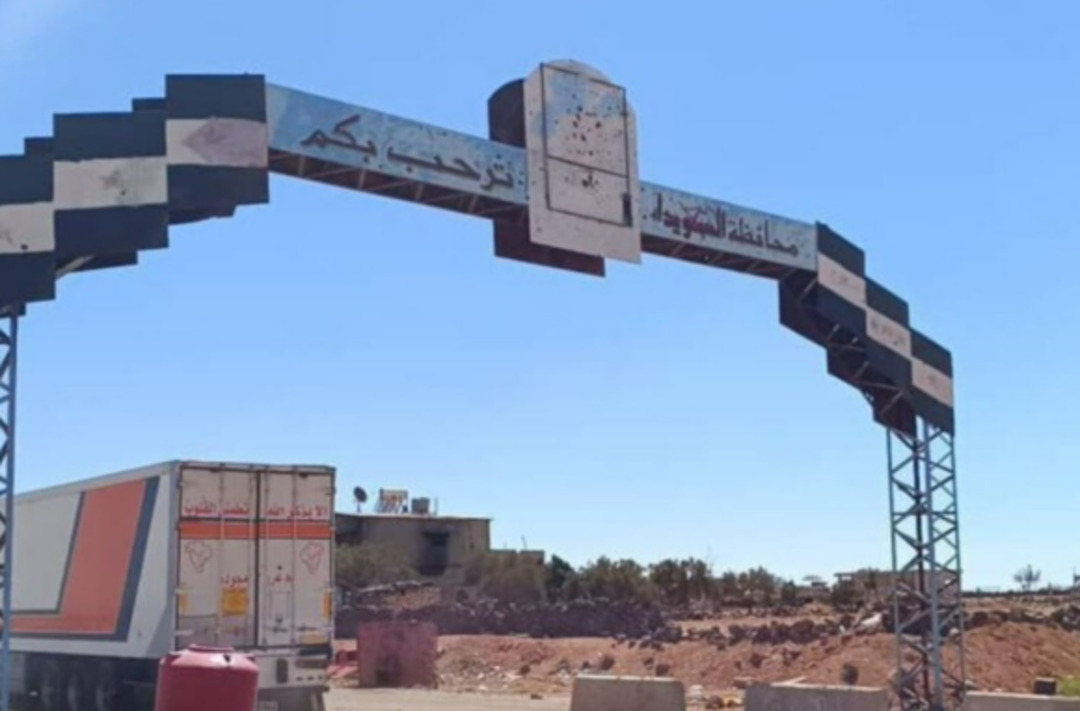
A group of Druze families in the city of Suwayda has rejected what it described as “claims” linking Jabal al-Arab ideologically or politically to Israel. The statement, reportedly issued in response to remarks attributed to Sheikh Hikmat al-Hijri, reaffirmed the mountain’s Arab identity and historical heritage.
In their statement, the families said that Jabal al-Arab forms an integral part of the region’s national and historical fabric. They stressed their loyalty to the blood of those killed during various historical milestones, including the independence struggle, the October War of 1973, the 1982 Lebanon War, the uprising against authoritarian rule, and what they described as the “sacrifices of Black July.”
The families said the sacrifices of the victims and martyrs were not merely events from the past, but represented “a pledge and a compass” for preserving the dignity of the mountain and safeguarding its social and national heritage. They also emphasized that the traditions inherited in Jabal al-Arab are based on honoring obligations, helping those in need, and defending the land, arguing that any attempts to alter the region’s principles or undermine its roots would not be accepted by its people.
The signatories declared their “complete disavowal” of any voices claiming to speak on behalf of the mountain while asserting the existence of an ideological or political connection with Israel. According to the statement, such positions represent only those who make them and do not reflect the views of the families or residents of the region.
The families called for the preservation of Jabal al-Arab’s history and identity, warning against allowing external or temporary agendas to distort the region’s heritage. They stressed that the mountain’s future should be built on the sacrifices of its people and the cohesion of its society, away from divisions and alignments that could threaten its unity.
The statement was signed by the Al-Naeem, Abu Assali, Kiwan, Jarbou, Abu Saada, Mazhar, Radwan, Karbaj, Abu Hala, Al-Qal’ani, Abu Ghazi, Abu al-Fadl, Al-Nabwani, Sarrafi, and Al-Atrash families. The name of the Karbaj family also appeared twice in the list of signatories.