-
Middle East: The Ambiguity of “Safe Harbor”—Is al-Sharaa Reducing Syria’s Transition to His Personal Judgment?
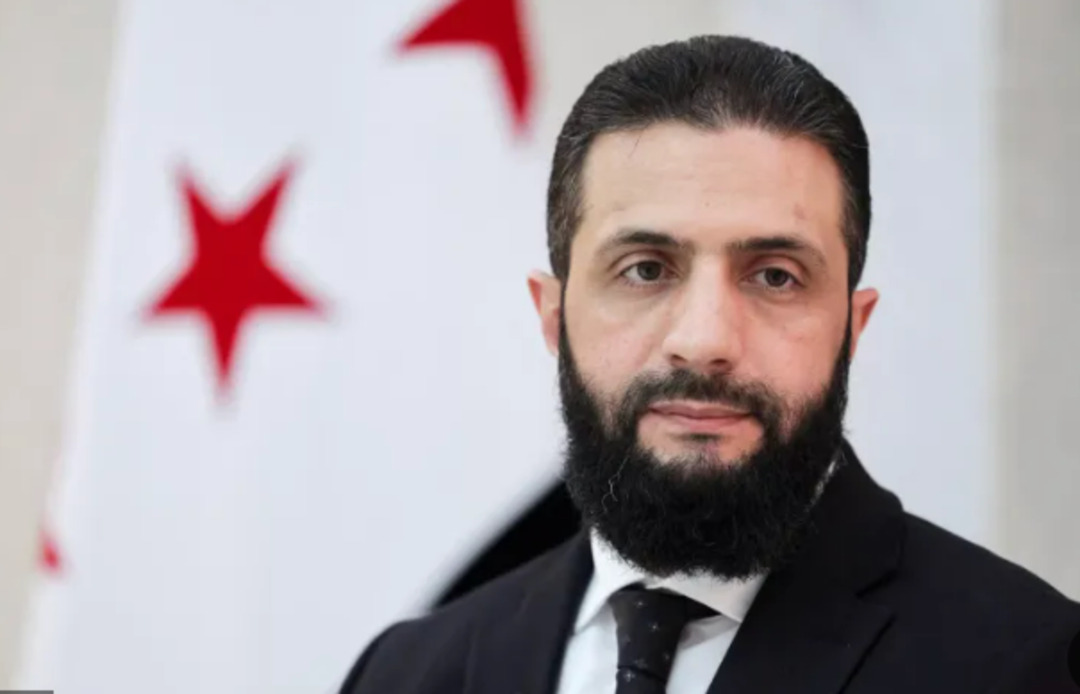
Questions are mounting in Syrian political circles about the course of the transitional period and the future of power, amid the absence of a clear timetable or objective criteria for bringing this phase to an end. Attention has now focused on statements in which al-Sharaa, the official overseeing the transition, has tied his decision not to run for president to the country reaching what he called “safe harbor”—a vague phrase that observers say invites speculation and indefinite delays.
Observers argue that making a constitutional milestone as significant as a presidential election contingent on al-Sharaa’s personal judgment poses a serious political problem. The phrase “safe harbor” lacks clear indicators or measurable standards by which the public or political forces can determine when that condition has been met. As a result, the transition risks shifting from a legally governed political process to one dependent on the personal vision of the officeholder, fueling concerns that it could be prolonged indefinitely.
Analysts warn of the risks of an “interim president” being the sole judge of the success of the transition he is leading. From a constitutional and democratic perspective, no official can be both party and judge. The success of a transitional period should not be measured by the official’s own satisfaction with it, but by the strength of national institutions, the integrity of the political process, and the will of voters. Concentrating the decision in the hands of one person drains the transition of its substance and risks turning it from a democratic process into centralized rule that reproduces existing crises.
Political analysts say Syria needs a clearly defined end to the transitional period, with a set date for the interim authorities to relinquish power to an elected government. Continued ambiguity and the absence of a deadline cast doubt on political intentions and undermine confidence in the entire transition, especially given the complex challenges facing the country.
The reports conclude that Syria’s stability cannot remain hostage to personal judgments or individual calculations. Escaping the current impasse requires a roadmap with publicly announced goals and deadlines, enabling Syrians to move beyond uncertainty toward a state governed by institutions and the rule of law.