-
Seizure of Agricultural Land Belonging to Kurdish Residents Between Ain Issa and Tal Abyad
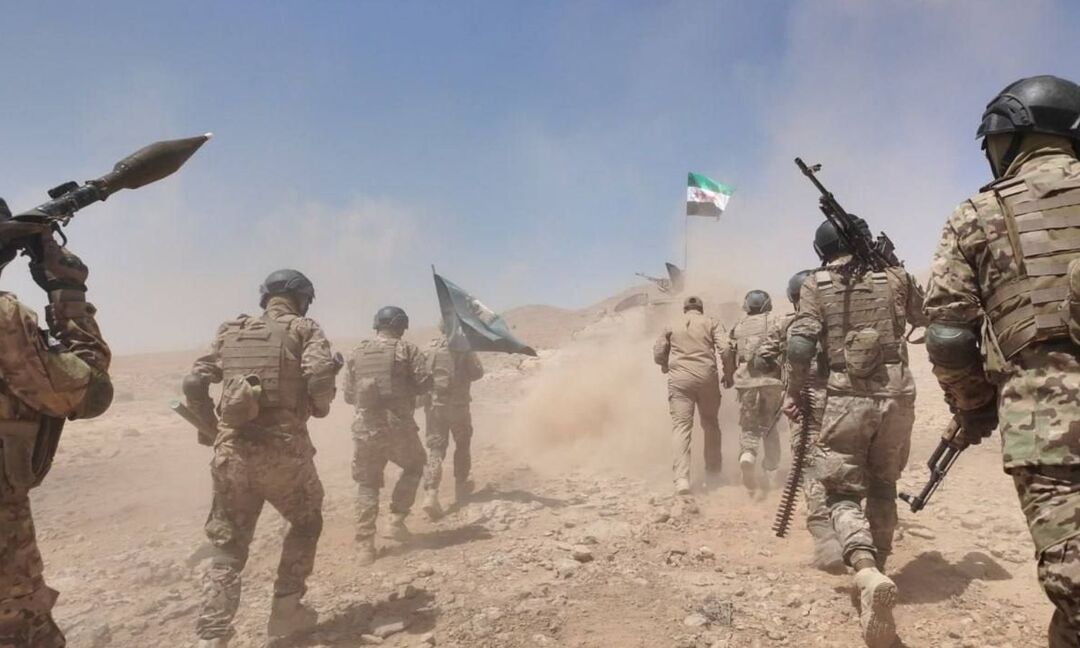
According to local sources, seizures of agricultural land owned by members of the Kurdish community are continuing in several villages located along the dividing line between the countryside of Ain Issa and western Tal Abyad. Armed faction-affiliated groups are accused of preventing the original owners from accessing their properties and exploiting the land for their own benefit.
According to the **Syrian Observatory for Human Rights**, citing local sources, the seizures are concentrated in the villages of Jalka, Tina, Rumana, and Jajaha Yabis, located near the M4 international highway and along the contact lines separating the areas of Ain Issa and Tal Abyad. The sources said that faction-affiliated groups had taken control of agricultural plots, prevented their owners from reaching them, and then begun plowing and cultivating the land and benefiting from its produce.
The sources added that, according to testimonies from residents, the seizures were taking place in the presence of personnel affiliated with the “General Security” service and amid what they described as facilitation by those personnel. This has raised residents’ fears that such practices could become an imposed reality, particularly as prevailing security conditions make it difficult for landowners to object or claim their rights.
In a testimony cited by the Observatory, one resident said that civilians had faced attempts to prevent them from reaching their villages and properties. He added that gunfire was fired into the air over the heads of several people as they attempted to reach their homes in some of the villages, forcing them to turn back for fear of being harmed.
In a separate incident, a local source reported that individuals formerly affiliated with the al-Hamzat faction, together with another group, had seized agricultural land in the village of Kandal, in the Tal Abyad area, and begun cultivating it. According to the source, the landowner attempted to file a complaint to reclaim his right to use and manage his property, but was detained for one day before being released, without being able to recover his land.
These incidents have heightened residents’ concerns over the absence of effective mechanisms allowing property owners to file complaints and reclaim their land. The allegations that protection or facilitation is being provided to groups accused of seizing property have further deepened residents’ sense of helplessness and their inability to seek redress through local institutions.
The consequences of depriving residents of their agricultural land extend beyond the loss of property. They also threaten the livelihoods of families that rely primarily on farming, at a time when the region is facing mounting economic and living pressures. Residents also fear that these practices could force more people to leave their areas.
These developments come amid continuing complaints from civilians in several areas regarding the seizure of property and agricultural land, as well as the denial of owners’ rights to access or manage their possessions.
The Syrian Observatory for Human Rights called on the relevant authorities to launch a serious and independent investigation into the alleged seizure of land and property, as well as the violations and testimonies reported by residents. It also called for those responsible to be held accountable and for the rights and properties to be restored to their lawful owners.
The Observatory further stressed the need to protect civilians and guarantee their safe access to their homes, land, and livelihoods, free from threats, intimidation, or restrictions. It also called for an end to all practices aimed at imposing a new reality on the population and depriving them of their rights and property.