-
The Re-arrest and Subsequent Release of Ayat al-Rifai’s Killer Raises Concerns Among Her Family
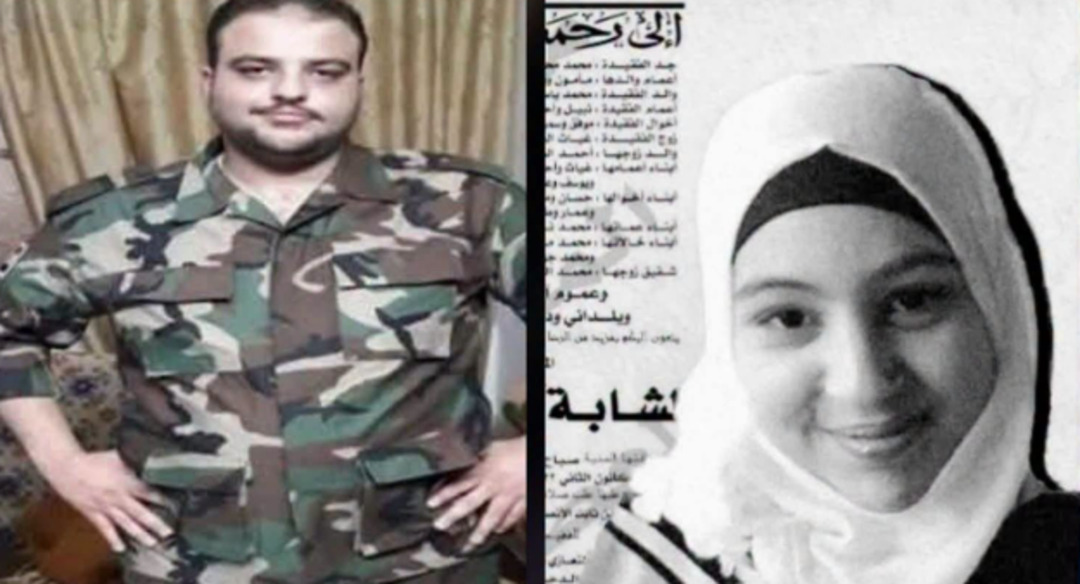
The family of Ayat al-Rifai and her lawyer said that her former husband, Ghiyath al-Hamwi, who is accused of killing her, was re-arrested before being released again. The development has brought the case back into the spotlight and raised fresh concerns about the safety of the victim’s family and the future of her daughter.
Ayat al-Rifai, a 19-year-old Syrian woman, was killed by her husband, Ghiyath al-Hamwi, with the alleged assistance of members of his family in 2022. The crime sparked widespread public outrage in Syria.
According to circulating reports, a court during the previous regime sentenced Ghiyath al-Hamwi and his father to seven years in prison in connection with the crime. Following the fall of the regime, amid the ensuing chaos and the opening of several prisons, al-Hamwi managed to escape from Adra Prison and has remained in hiding ever since.
Ayat’s mother said that, since his escape, Ghiyath had continued to threaten members of her family, either through direct messages or through people who were allegedly sent to the family’s home to pressure them into dropping the case.
The developments did not stop at the alleged threats. According to Ayat’s family and lawyer, Ghiyath also filed a request for custody of his daughter, Shams, who is currently living with her maternal family. The family says that the court issued a decision granting him custody, after which they appealed the ruling.
According to the family and its lawyer, Ghiyath was later arrested. However, the police recently released him, raising renewed fears among Ayat’s relatives about their safety, particularly in light of the previous threats, as well as concerns about the future and legal status of the child, Shams.
The re-arrest of the accused and his subsequent release raise questions about the course of the case and the legal procedures that were followed, as well as the extent to which adequate protection is being provided to the victim’s family and the child.
The developments also highlight the need to verify the circumstances surrounding the arrest and release, the custody decisions, and all other details with official judicial and security authorities, while ensuring that the family is not subjected to threats or pressure.